
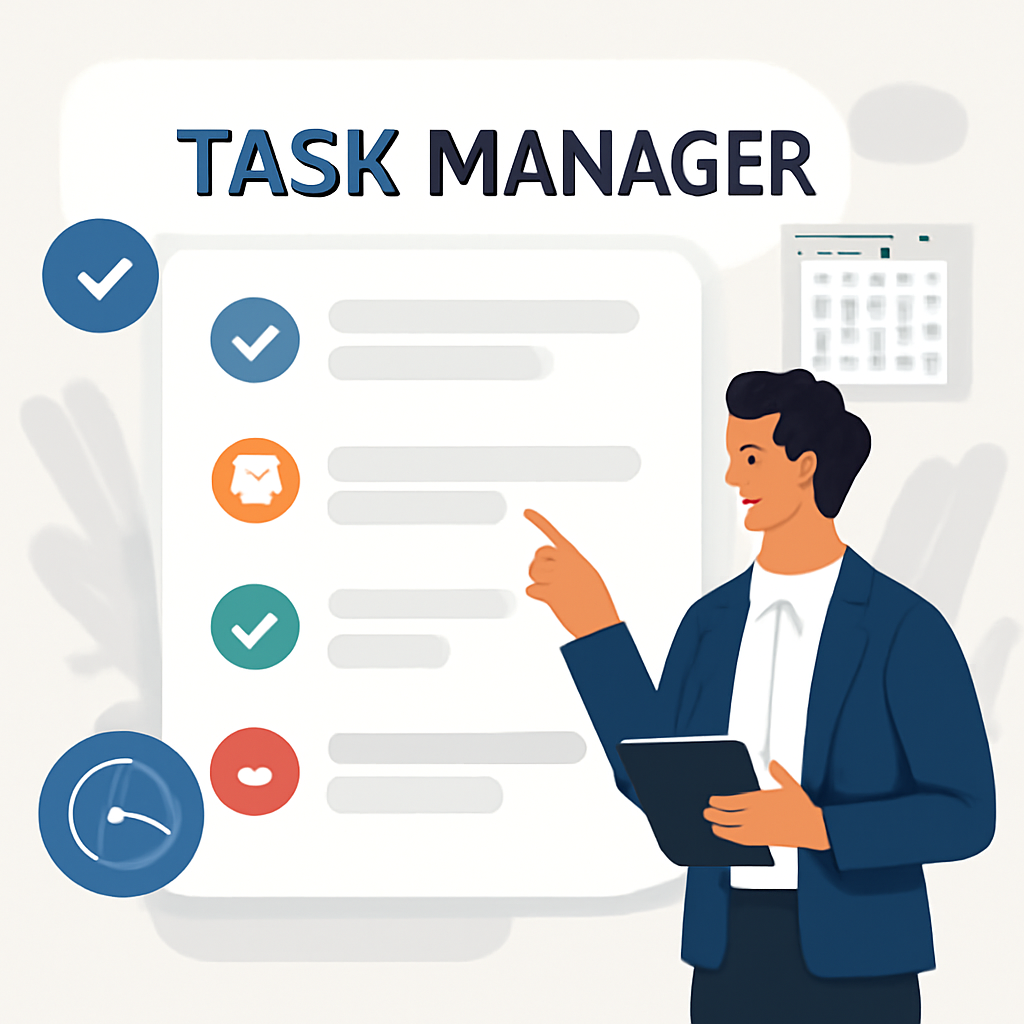
Table of Contents
1. taskmanager for Beginners: Getting Started
2. Core Concepts of Task Management
3. Practical Guide to Using a taskmanager in Real Life
4. taskmanager FAQ
5. Conclusion: Simple Path to Mastering Task Management
taskmanager for Beginners: Getting Started
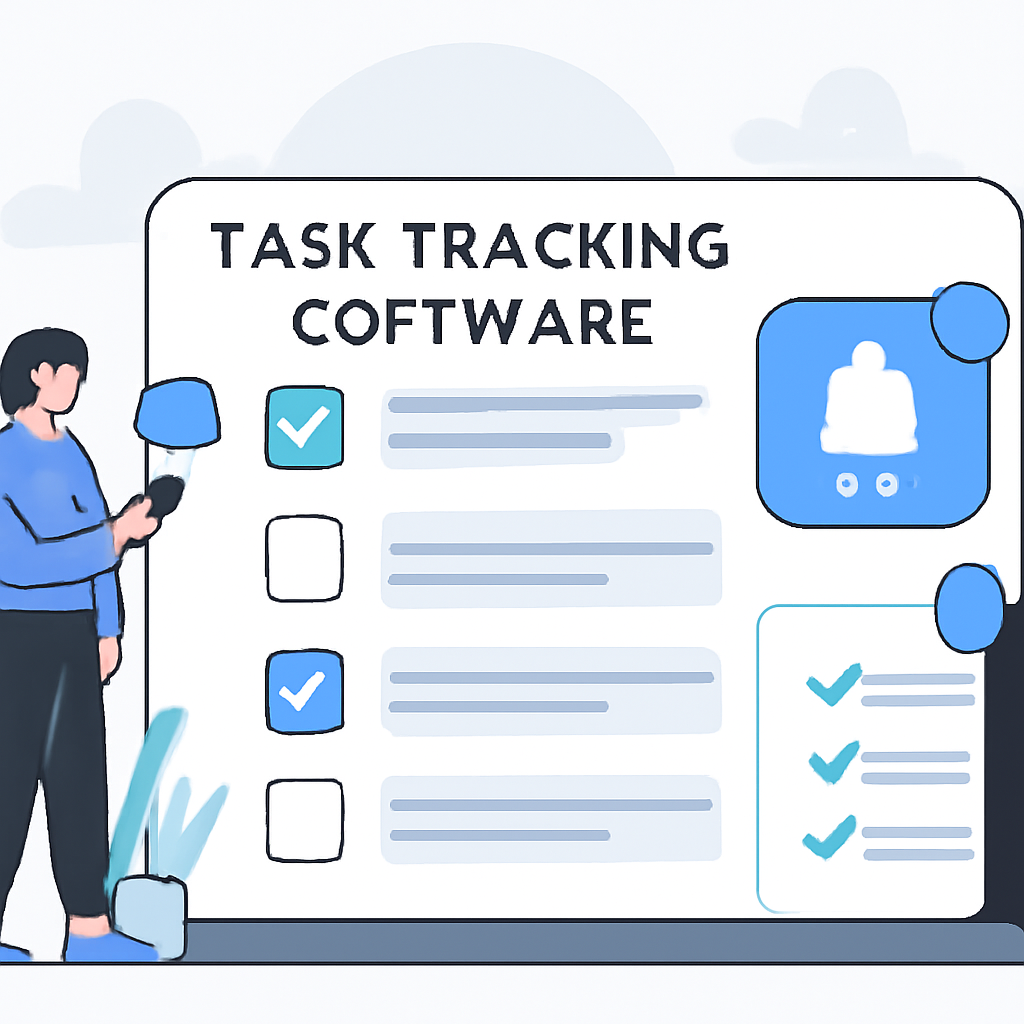
Starting with task management can feel overwhelming, but a simple system makes work clearer and less stressful. A taskmanager helps you move from vague ideas to concrete action by turning chores, meetings, and deadlines into reachable steps. If you’re exploring the best task management software for teams, a cloud based task manager for freelancers, or a lightweight task manager for personal use, along with task tracking software with reminders, this guide keeps things friendly and practical. You’ll see how task management, task scheduling, and project management fit together, and how a task tracker or to do list can become a daily habit.
What is task management?
details
Organizes work into clear tasks with deadlines, Prioritizes work to avoid overwhelm.
What is a taskmanager?
details
A tool to collect, assign, and track tasks, Can be as simple as a list or as full-featured as a cloud-based system.
A simple, beginner-friendly workflow
details
Capture tasks and ideas as they come, Organize tasks by due date and priority, then schedule reminders.
With these basics in place, you’re ready to move into Core Concepts of Task Management, where you’ll learn to capture, organize, and track work across projects. This next section turns a simple list into a reliable workflow.
Core Concepts of Task Management
Starting with a clear method makes busy days feel manageable. For beginners, begin with a simple to do list to capture daily tasks, then add a task tracker to show status and progress, and finally use project management to group work into bigger goals. A practical taskmanager brings everything into one view, which cuts clutter and helps you stay on track.
To do list, task tracker, and project management
To do list is quick and easy but limited
A simple to do list helps you capture tasks as soon as they appear. It’s perfect for daily chores, errands, or quick wins. Keep the list small—3 to 5 items per day—to avoid overwhelm. Example: today’s tasks might be “Email client,” “Prepare invoice,” and “Update project notes.” A daily list can boost focus by reducing memory load and clutter.
Task tracker adds status and progress
A task tracker adds a simple flow: Not Started, In Progress, Blocked, and Complete. This visibility helps you spot bottlenecks early and move work forward. For a small project, you might see 6–8 tasks each with a status tag, so you know at a glance what still needs attention. Many teams report faster updates and fewer miscommunications when everything sits in one task tracker.
Project management groups tasks into goals and milestones
Project management scales up by linking tasks to bigger goals and milestones. Break a project into phases (e.g., Research, Design, Build, Launch) and assign tasks to each milestone. This makes progress tangible and helps you track deadlines. It’s especially useful for cross‑functional work, like launching a new product, where everyone can see how their tasks fit the broader goal.
Task scheduling and reminders
Set due dates and reminders
Assign due dates to keep tasks timebound. Add reminders a day before and an hour before for critical items. This reduces late work and helps you plan your day around real deadlines. A practical reminder system can significantly cut last‑minute rushes.
Prioritize by urgency and importance
Not all tasks deserve the same attention. Use a simple rule: urgent tasks that are important get top priority, while low‑urgency tasks can wait. This approach—often called a lightweight Eisenhower method—keeps your day from spinning on low‑value activity and helps you say no to distractions.
Recurring tasks help with routines
Recurring tasks (daily, weekly, monthly) cement habits and reduce setup time. Set up reminders for those routines and watch productivity rise as repeat work becomes automatic. This works well for personal use or for freelancers who juggle recurring client tasks.
Choosing the right tool for teams or individuals
Assess team size, collaboration needs, and budget
For small teams, cloud-based options often fit best; large teams may need more control and security. Start with a budget-friendly plan and scale as your needs grow. If you’re evaluating options like the best task management software for teams, compare features such as sharing, comments, and permission settings.
Consider cloud-based vs local tools
Cloud tools shine for remote collaboration and real-time updates; local tools can offer speed and offline access. Decide whether you need instant sharing across devices or stronger data control on a single machine.
Trial periods help you compare options
Take advantage of free trials to test a task tracking software with reminders, a lightweight task manager for personal use, or a full project and task management tool for small businesses. Use real tasks during the trial to see how it fits your workflow.
A solid grasp of these core concepts helps you pick a taskmanager that fits your needs and your budget, making everyday work smoother and more predictable. This foundation prepares you for a practical guide to using a taskmanager in real life.
Practical Guide to Using a taskmanager in Real Life
Starting with a reliable taskmanager can transform how you manage work, whether you’re coordinating a team or just keeping your personal tasks in order. This guide breaks down practical choices and how to use them in real life, with beginner-friendly steps and concrete examples.
Best task management software for teams
Look for collaboration features (shared boards, comments)
Pick a tool that makes teamwork visible. Shared boards let everyone see status at a glance, while comments keep context close to the task. For example, a Marketing team can have a board with columns like Backlog, In Progress, Review, and Done. Team members drop updates, attach files, and tag teammates to assign next steps. Try a two-week trial with a small project to gauge how fast conversations happen and whether files stay organized.
Role-based access and reporting
Choose software that lets you assign roles (viewer, editor, admin) so the right people can see or change tasks. Built-in reporting shows completed work, overdue items, and workload per person. This helps managers spot bottlenecks early and keeps sensitive data protected.
Integrates with calendars and project views
Calendar sync and multiple project views (Kanban, List, Timeline) reduce switching between apps. A product team can map deadlines to Google Calendar and view a timeline to spot conflicts weeks ahead. Look for bi-directional sync so updates in the taskmanager reflect in the calendar and vice versa.
Cloud based task manager for freelancers
Accessibility from anywhere with an internet connection
A cloud based task manager should be reachable from any device with internet. This allows you to capture new ideas on mobile between meetings and then polish them on your laptop. Prefer tools with offline caching for occasional spotty connections, but ensure your data syncs when you’re back online.
Simple invoicing or time-tracking options (if needed)
If you bill clients, built-in time tracking and invoicing save back-and-forth with spreadsheets. For example, start a timer when you begin a client task, log hours, and export an invoice directly from the platform. If you don’t bill by time, a lightweight task tracker with reminders can still help you stay on track.
Flexible pricing per user or tier
Freelancers often prefer pay-as-you-go or per-user pricing. Compare plans by the number of active projects, storage, and an essential set of integrations. Start with a free or low-cost tier to validate fit before upgrading.
Lightweight task manager for personal use
Low friction interface
For personal use, simplicity wins. A clean to-do list with a small set of priorities is faster to adopt than a feature-heavy platform. Try a clean dashboard with one view for today’s priorities and a tab for upcoming tasks.
Offline mode or mobile app
If you often work away from Wi-Fi, ensure the app supports offline mode. You can draft reminders and notes, then sync later. A mobile app helps you capture ideas on the go and reduces the chance of forgetting them.
Reminders and notes kept simple
Use straightforward reminders (due today, due this week) and brief notes. Short, clear descriptions help you act quickly without extra cognitive load. A lightweight taskmanager keeps your daily routine smooth without adding extra steps.
taskmanager FAQ
Starting with task management helps you stay organized, even if you’re new. Here are clear, practical answers about taskmanager, how it differs from larger project tools, and how to pick the right option for freelancers or teams.
What is the difference between a task manager and a project management tool?
A task manager focuses on individual tasks, checklists, and reminders. A project management tool coordinates multiple tasks, dependencies, and milestones for a team. For solo work or a simple to do list, a lightweight task tracker works well. When you collaborate, a project and task management tool helps align deadlines and priorities. This often appeals to users seeking the best task management software for teams.
Quick tips
- Start with a simple to do list and a calendar view.
- Use a task tracker to log completed work for motivation.
Is a cloud-based task manager better for freelancers?
A cloud-based option lets you access work from any device, share progress with clients, and keep data in sync. Look for a mobile app, offline mode, reminders, and easy client access. If privacy or cost matters, compare plans and read reviews.
Quick tips
- Check mobile and offline capabilities.
- Compare pricing and client-sharing features.
How do I choose the best task management software for my team?
Define goals, team size, and required views (board, list, calendar). Ensure reminders, task tracking, attachments, and calendar integrations are available. Try two or three cloud options with free trials to see what fits, and consider whether you need a lightweight task manager for personal use or a full project tool for small businesses.
Quick tips
- Run a 14-day free trial with real team tasks.
- Pick a tool that integrates with your calendar.
Simple Path to Mastering Task Management
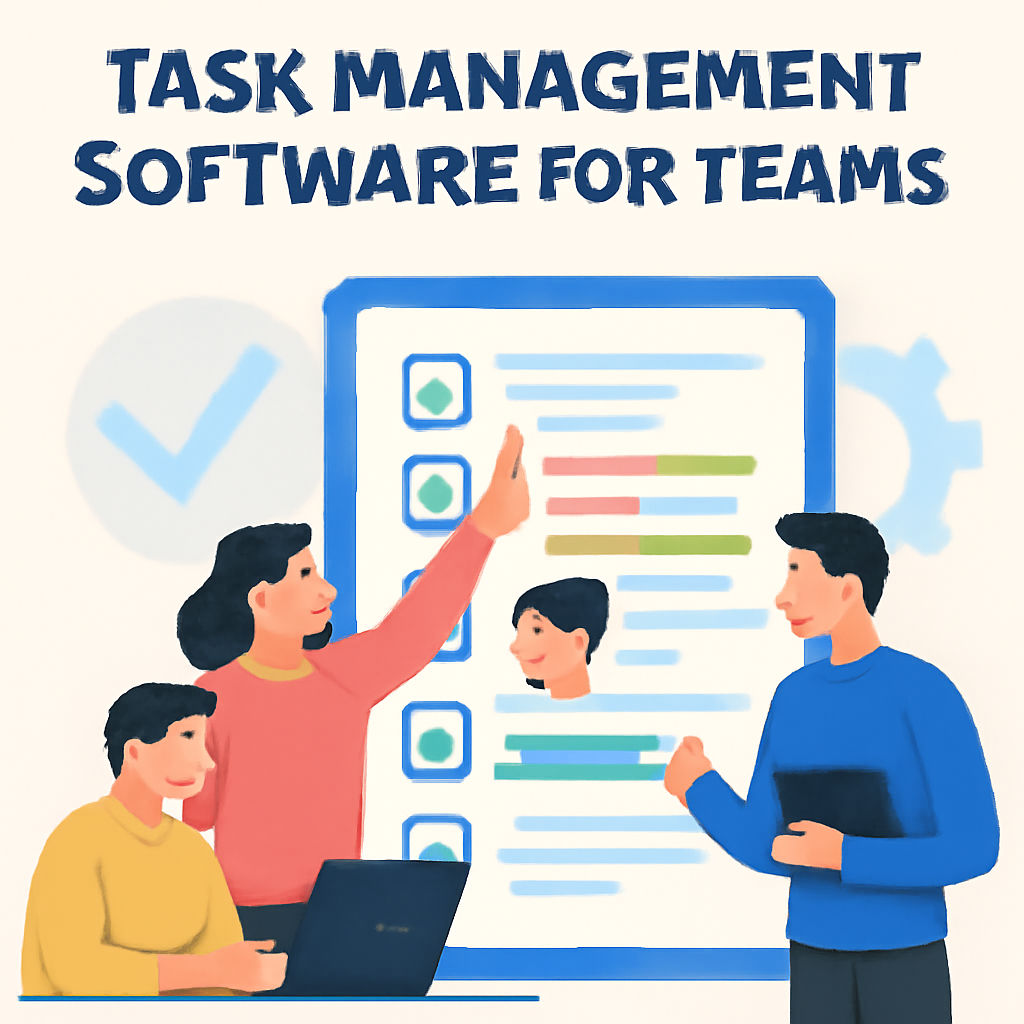
Starting small with a taskmanager sets you up for steady growth. By capturing ideas and tasks in one place, you create a reliable to do list that feeds into basic task scheduling and light project management. The habit reduces missed deadlines and makes it easier to handle work, school, or personal projects. With a beginner-friendly approach, you’ll build clarity, momentum, and confidence—one task at a time.
Recap of the basic steps to start with task management
Capture ideas and tasks consistently
Keep a single inbox for every thought: ideas, chores, client requests, and rough plans. Dump items there as soon as they appear, then set a fixed time each day to review. Move actionable items into your to do list or project plan, and keep a simple task tracker for quick status checks. This consistency creates a reliable foundation for task management.
Use due dates and reminders to stay on track
Attach due dates and reminders to prioritize work and avoid drift. Use calendar integrations and set recurring tasks for routines. If you’re unsure of the exact timing, choose a soft due date and a reminder a day before. This practice aligns with task scheduling basics and helps you see what’s genuinely urgent.
Tips for choosing your first taskmanager
Start with a lightweight tool for personal use
Pick a lightweight task manager for personal use that supports a clean to do list and simple views (list or kanban). Avoid overloading with features you won’t use yet. The goal is to form a daily habit and learn the basics of task management without friction.
Gradually scale to teams as needed
When collaboration becomes important, move to a cloud-based task manager that supports sharing, assignments, and dashboards. Look for features like collaborative lists, due-date tracking, and clear ownership. This shift aligns with a project and task management tool for small businesses and can evolve toward the best task management software for teams as your needs grow.
Next steps and simple practice routine
Set a 15-minute daily planning routine
Each day, spend 15 minutes planning today’s work. Review your inbox, pick three priority tasks, assign due times, and place them into today’s plan. Short, focused planning beats long, aimless planning.
Keep your task lists visible
Keep lists where you’ll see them—on a wall, a dashboard, or a near-constant screen. Visible tasks reinforce accountability and help you stay on track with your priorities and reminders.
Explore tutorials and templates
Tap into tutorials and templates within your tool. Use onboarding templates for quick-start guidance and repeatable workflows (like client onboarding or content calendars) to show how a project and task management approach fits your style. As you learn, adapt templates to your routine and scale your system gradually.