

Table of Contents
1. Introduction to hiphopmusic
2. Core components: beats, rhymes, and flow
3. History and influence of hip hop: from the streets to the mainstream
4. hiphopmusic FAQ
5. Conclusion: next steps for beginners in hiphopmusic
Introduction to hiphopmusic
hiphopmusic is more than songs; it’s a living thread in hip hop culture that links beats, rhymes, and street dance into a daily rhythm. For newcomers, exploring hip hop means discovering rap music as a vocal craft within a broader, evolving genre. You’ll hear how a track blends drum loops with wordplay, social stories, and a strong sense of community. This guide helps you spot what to listen for and where to start, from underground hip hop to mainstream releases.
What hiphopmusic encompasses
Part of hip hop culture that includes beats, rhymes, and dance.
Involves rap music as a vocal style within the broader genre.
Key elements of the genre
Beats and rhymes drive the flow and structure of tracks.
Sampling, lyricism, storytelling, and cultural context.
Why beginners should explore hiphopmusic now
A broad range of styles from underground hip hop to mainstream rap.
Growing communities and resources for learning and practicing.
Begin by listening for the trio that drives hiphopmusic: the beat, the rhymes, and the flow. Notice how producers frame mood with drums, bass, and samples; how lyricism builds scenes; and how tempo invites movement, from casual steps to precise grooves. With practice, map tracks to beats you enjoy and start shaping your own voice and patterns.
Core components: beats, rhymes, and flow
Getting started with hiphopmusic means seeing how the core elements fit together. Beats lay the groove, rhymes ride the rhythm, and flow ties it all into something you can feel. This guide uses simple terms and practical steps so you can start making or analyzing tracks right away. You’ll also notice how street dance and performance feed into the music, from the vibe of underground hip hop to the energy of battles and showcases.
Beats and rhymes: the heartbeat of hiphopmusic
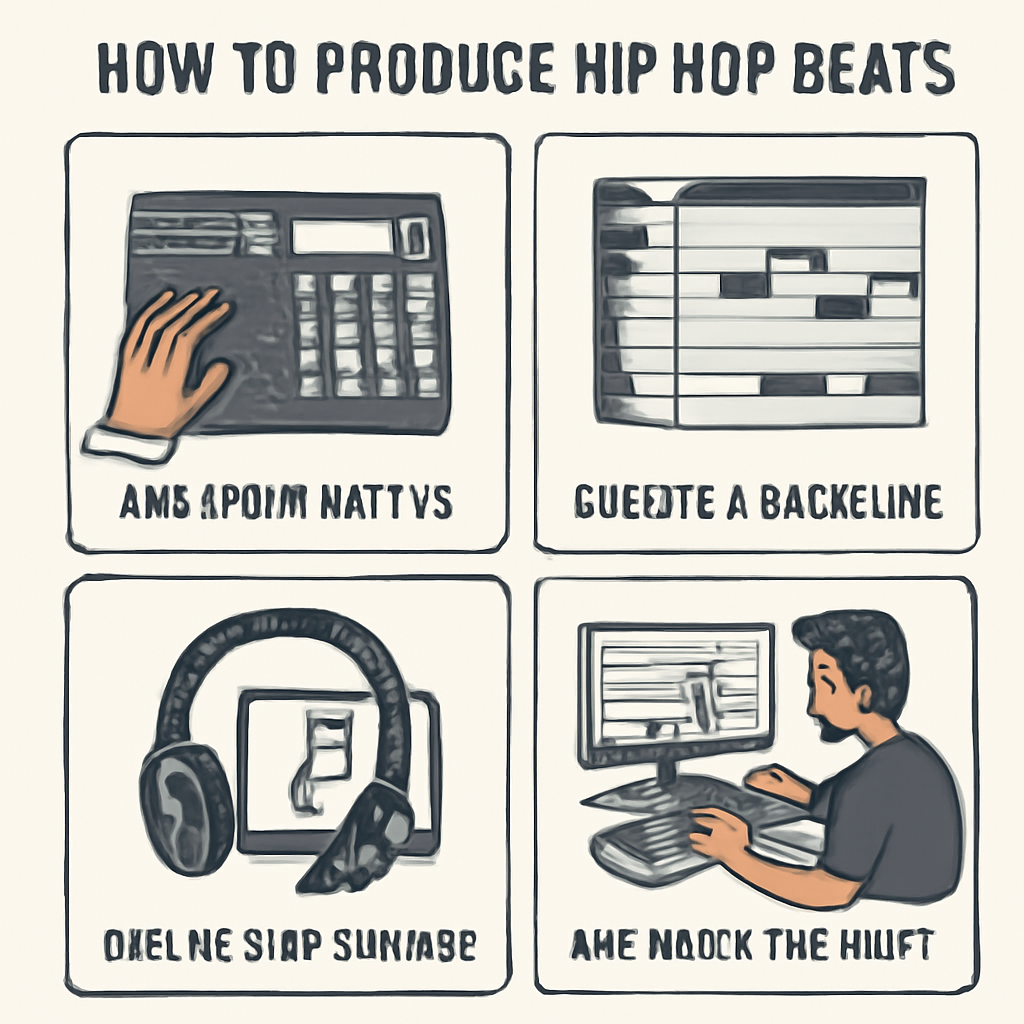
Beat-making basics: tempo, bars, 4/4 time, and structure; how to produce hip hop beats.
Choose a tempo that fits the mood you want. Boom-bap often sits around 80–100 BPM, while trap leans higher, around 140 BPM with triplet feels. Think in bars: a standard bar is 4 beats, and a typical verse runs 16 bars (16 x 4). Structure your track with an intro, verse, chorus, and perhaps a bridge. Start with drums: a kick on the downbeat and snare on 2 and 4 creates that classic hiphop rhythm. Layer a bass line or a simple melody, then add textures with samples or virtual instruments. For beginners learning how to produce hip hop beats, keep it simple: two drum sounds, a bass note, and a short loop. As you grow, you can experiment with breakbeats, swing, and subtle ear candy to shape the groove.
Rhymes and flow: cadence, multisyllabic rhymes, punchlines, and breath control.
Cadence is how your voice sits over the beat—where you place emphasis and where you pause. Multisyllabic rhymes (like “education” with “foundation”) add complexity and energy. Punchlines land with unexpected twists or clever wordplay. Breath control keeps your delivery steady; practice by marking breaths at logical points (mid-phrase or after a few bars). A practical drill: rap a 16-bar verse at a comfortable tempo, then tighten the delivery by clipping breaths and sharpening enunciation. Notice how clearer rhymes and controlled breath help the track feel more confident, even for beginners.
Rap music and delivery styles
Different rap styles (old-school, trap, conscious) and how delivery affects mood.
Old-school rap emphasizes straightforward rhymes and party energy; delivery is relatively even and playful. Trap uses heavier rhythms, rapid hi-hats, and a staccato flow that can feel menacing or triumphant. Conscious rap leans into message and cadence, often slower but with precise emphasis to underline meaning. The way you deliver lines changes the mood of the beat—bright and upbeat with old-school vibes, tense and immersive with trap, or thoughtful and reflective with conscious tracks.
Tips for clear delivery, rhythm, and breath management during rapping.
Enunciate each word so listeners catch the meaning. Use diaphragmatic breathing to support longer phrases and avoid mike pops. Practice with a metronome or the instrumental to lock your cadence to the beat. Do quick breath checks: if you’re running out of air mid-line, shorten phrases or insert a breath at a safe point. Record and replay—not just to hear performance, but to notice where your rhythm wobbles and where you can improve.
Street dance and visual expression
Connections to breakdance, popping, and locking as performance elements.
Breakdance, popping, and locking bring hiphopculture to life on stage. Visuals—freeze moves, quick spins, and sharp arm waves—mirror the track’s energy and help the audience feel the music. When you write a track, imagine the dancers reacting to each section; a strong hook pairs well with a dramatic break or a bold pose.
How battles and showcase culture influence track writing and stage presence.
Battle culture trains you to seize attention, drop memorable lines, and deliver with swagger. Write hooks and punchlines that lock in during the chorus, and plan a moment or two for a showy delivery. Stage presence—eye contact, stance, and confidence—makes even simple raps feel powerful in a crowd, reinforcing the connection between the music and street performance.
These elements reflect how hiphopmusic grows from the streets into mainstream stages, tying together best practices in beat production, lyric craft, and live expression. This path naturally leads to the history and influence of hip hop: from the streets to the mainstream.
History and influence of hip hop: from the streets to the mainstream
hiphopmusic began in urban neighborhoods as a communal craft—DJing, MCing, breakdancing, and graffiti forming a living culture. For beginners, it helps to see how these roots translate into today’s global sound, dance, and online communities. This guide traces the arc from borough block parties to worldwide stages, highlighting the underground lifeblood and the current hits shaping the era.
History of hip hop music in america
Origins in the Bronx in the 1970s
- DJ Kool Herc, breakbeats, and turntable experimentation turned street gatherings into performance art. MCs improvised rhymes to hype crowds, while dancers battled and bonded on sidewalks and in parks.
DJing, MCing, and block parties
- The blend of spinning, rhymes, and call-and-response created a recognizable structure: DJ sets, catchy hooks, and crowd-driven energy. This trio—DJing, MCing, and dance—defined early hip hop and laid the foundation for today’s beats and rhymes.
Evolution through the 1980s-2000s and global spread
- The Golden Age brought inventive sampling, sharper lyricism, and broader storytelling. Video channels, touring, and cross-cultural collaborations pushed hip hop from New York and Los Angeles to Tokyo, Lagos, and beyond, enriching styles and production approaches.
Underground hip hop artists to listen to
Key underground scenes, labels, and how to discover them online
- Notable scenes include New York’s raw boom-bap, the West Coast’s experimental tempos, and Midwest poetry-in-motion. Independent labels like Rhymesayers Entertainment and Def Jux have historically housed influential voices, while Bandcamp, SoundCloud, and curated playlists on streaming services surface new talent daily.
- How to discover: follow artist curators, join online discussion forums, check artist pages on Bandcamp, and sample “underground hip hop” playlists that spotlight full-length albums and EPs.
Why the underground scene stays innovative and influential
- A DIY mindset keeps risk-taking alive: unconventional rhymes, imperfect but expressive vocal tones, and boundary-pushing production. Underground acts often experiment with tempo, space in mixes, and narrative depth, feeding fresh ideas into mainstream hip hop and hip hop culture at large.
Best hip hop songs of the 2020s
Representative tracks across subgenres showing current trends
- The Box — Roddy Ricch (2020): a streaming-era staple with melodic cadence and a memorable hook.
- Savage — Megan Thee Stallion (2020): confident, radio-ready flow that boosted party-rap and empowerment anthems.
- First Class — Jack Harlow (2022): crisp sampling, catchy cadence, and crossover appeal.
- Rich Flex — Drake & 21 Savage (2023): polym tonal ideas, drill-influenced energy, and merged aesthetics.
- The 2020s also spotlight more conscious and drill-inflected tracks that blend lyrical storytelling with hard-hitting bass.
How these songs reflect changing culture and production styles
- Production leans into cleaner, catchier hooks with heavy bass and polished mixes. Flows mix melodic singing with rapid-fire rapping, while lyrics swing between social commentary and personal brag. The result is hip hop that travels across platforms, cultures, and subgenres, keeping the genre alive and evolving for new listeners.
hiphopmusic FAQ
hiphopmusic sits at the center of rap, rhythm, and culture. It weaves together hip hop culture, rap music, street dance, and the craft of beats and rhymes. If you’re new, start by listening across eras, including the best hip hop songs of the 2020s, and explore the history of hip hop music in america to see how sounds evolve.
What is hiphopmusic?
Hiphopmusic blends rapped verses with drum-driven beats and memorable hooks. It’s not just tunes—it’s part of hip hop culture, connected to street dance and the broader beats-and-rhymes conversation. You’ll hear everything from classic, sample-rich tracks to modern, boundary-pushing releases and underground hip hop.
Quick start tips
- Notice how the beat drives the flow and how rhymes ride the tempo.
- Compare older records with current releases to hear production and lyric shifts.
- Focus on one artist to study technique and phrasing.
- Explore underground hip hop artists to listen to for fresh ideas.
How do I start producing hip hop beats?
Begin with a simple groove in a DAW, then build layers as you grow. Set a tempo around 85–95 BPM for classic hip hop and keep the groove tight.
Starter plan
- Choose a DAW (GarageBand, FL Studio, or Ableton) and a basic kit.
- Lay a 4-bar loop with kick, snare, and hats; add a bassline.
- Add a simple melody, arrange, then mix and save drafts to compare with the best hip hop songs of the 2020s.
Where can I discover underground hip hop artists to listen to?
Bandcamp, SoundCloud, and YouTube channels focused on underground hip hop artists to listen to are great starting points. Indie labels and playlists also reveal fresh voices.
Places to search
- Bandcamp and SoundCloud searches for underground hip hop
- YouTube channels and playlists highlighting up-and-coming artists
next steps for beginners in hiphopmusic
Starting your journey in hiphopmusic means blending listening, practice, and community. As you explore hip hop culture and the art of beats and rhymes, you’ll build a practical toolkit you can grow over time. Keep it simple at first, then layer in technique as you gain confidence.
Recap of core concepts
Hip hop culture, rap music, street dance, and the beat–lyric relationship
Hip hop culture centers on MCing, DJing, street dance, and graffiti, all connected through shared storytelling. Rap music is the vocal side, but the beat shapes how the words land. A classic approach is a 16-bar verse riding a looped beat, where flow and rhythm meet rhyme patterns. Your goal is to feel the groove and make your syllables land with the beat.
Key terms and ideas to remember as you start practicing
Focus on: flow (how you ride the beat), cadence (speed and stress of syllables), rhyme schemes (end rhymes, multisyllabic rhymes), punchlines, hooks, bars, and verses. Know tempo (BPM) and how sampling or looping affects your phrasing. Start with clear articulation, simple rhymes, and a steady pocket before adding complexity.
Practical starter plan
Listen to a curated set of tracks and then try a simple beat and rhyme exercise weekly
Create a small library of 10 tracks spanning classic to modern hiphopmusic. Clap or tap to the beat, identify the pocket where the rapper sits, then write a short 8–16-bar verse to a basic drum loop (around 85–100 BPM). Week by week, swap loops, vary the tempo slightly, and try a basic chorus or hook to practice cohesion between verse and hook.
Document progress and adapt practice based on feedback
Keep a simple practice log: date, track or loop used, a short verse, and what felt easy or hard. Share clips with friends or online communities to get feedback on rhythm, diction, and rhythm placement. Use the input to adjust pace, rhyme density, or breath control in your next session.
Further resources and communities
Online courses, forums, and local events to connect with other beginners
Explore beginner-friendly courses on Coursera, Udemy, or Skillshare. Join forums like Reddit’s r/makinghiphop or r/hiphopheads, and look for local open mics, beat nights, or hip hop dance classes to meet fellow newcomers.
Underground hip hop artists to listen to for inspiration
- MF DOOM — dense wordplay and inventive rhymes
- Atmosphere — storytelling and mood
- Brother Ali — social commentary and cadence
- Aesop Rock — multisyllabic complexity
- El-P — punchy, forward-facing production
- Skyzoo — vivid, street-level narratives
- Cannibal Ox — dynamic flows and atmospheric production
These steps keep hiphopmusic approachable for beginners while guiding you toward steady, measurable progress.