
Table of Contents
1. Introduction to hiphopmusic for beginners
2. Hip hop culture and history
3. Beat making basics: producing hip hop at home
4. hiphopmusic FAQ
5. Conclusion and next steps
Introduction to hiphopmusic for beginners
What is hiphopmusic and why it matters
Definition of hiphopmusic and its place at the intersection of rap music, hip hop culture, and beats
hiphopmusic sits at the crossroads of rap, hip hop culture, and beat-making, blending storytelling with rhythm to express ideas and connect communities, with roots in underground hip hop.
Why beginners should start here: listen, analyze, and try simple beat ideas
Begin with focused listening, study cadence and rhyme patterns, and recreate a simple drum loop in free software to build confidence.
Getting started: goals, mindset, and a quick roadmap
Set a 4-week plan: listen, sketch, loop, and experiment
Week 1–2: listen to classic hip hop songs from the 90s to feel structure; Week 3: sketch basic beat ideas; Week 4: loop and refine your groove, then add a simple hook.
Recommended beginner-friendly resources to avoid overwhelm
Explore the best hip hop music streaming platforms for quick access to catalogs, follow short tutorials on how to produce hip hop beats at home, and study the history of hip hop music and culture alongside top hip hop artists of all time for inspiration.
Hip hop culture and history
Hip hop music and culture grew from real-life stories, shared in city blocks and clubs. If you’re new to hiphopmusic, think of it as a broad umbrella that covers rap music, dance, graffiti, and a DIY spirit that’s remained strong for decades. From the classic hip hop songs of the 90s to today’s streaming-driven releases, the culture keeps evolving while staying rooted in rhythm, storytelling, and community.
History of hip hop music and culture
Origins in the Bronx
In the early 1970s, block parties in the Bronx turned vacant lots and stairwells into stages. DJs like Kool Herc extended breaks from funk records, creating the space for people to dance and MCs to hype the crowd. This energy laid the groundwork for hip hop music and culture—an urban sound that mixed turntable tricks with rapid rhymes.
1970s
The scene spread as crews battled for the best parties, and MCs learned to ride the beat with punchy verses. DJs refined techniques, using two copies of the same record to loop the sweetest drum breaks. The era birthed a language of signs, fashion, and camaraderie that defined hip hop long before mainstream exposure.
DJing and MCing
DJing showed how turntables and mixers could sculpt rhythm, while MCing gave voice to personal and collective experiences. Early crews fused party energy with social commentary, turning simple parties into meaningful performances. This collaboration—sound shaping plus storytelling—is at the heart of hip hop beats.
Evolution of rap music and the rise of hip hop beats
By the mid-1980s and into the 1990s, rap music grew into a global force. Producers started crafting signature styles—boom-bap drums, jazzy samples, and cinematic layers—that defined hip hop beats. Pioneers like DJ Premier, Dr. Dre, and others helped transform raw rhymes into intricate, widely influential tracks, while artists from the East and West coasts pushed the genre into new emotional and sonic territory.
Underground hip hop and its influence
Definition and ethos of underground hip hop
Underground hip hop centers on authenticity, innovation, and independence. It often prioritizes lyricism and technique over radio play or big budgets, embracing DIY releases and local fan networks. This ethos keeps experimentation alive and pushes artists to take risks with sound and message.
How indie scenes and crews shaped sound and technique
Independent labels and local crews created diverse scenes across cities. Groups like Company Flow, Mos Def, and Talib Kweli offered complex flows and conceptual lyrics, while regional scenes in places like NYC, the Bay Area, and the Midwest incubated distinct production styles. The result is a wide spectrum of sounds within hip hop music, from gritty samples to more expansive, pocketed drumwork.
Key elements of hip hop culture
MCing/rap
Rapping is the voice of hip hop—flow, rhyme structure, and storytelling that conveys perspective, humor, and struggle. Beginners learn to ride a beat with cadence, breath control, and wordplay.
DJing
DJing uses turntables and mixers to create rhythm, cut, and scratch. It’s the backbone of live performances and studio production alike.
Breakdancing
Breakdancing brings movement into the culture, turning rhythm into physical expression. It’s about style, power, and musical timing.
Graffiti
Graffiti covers walls with color and letters, a visual counterpart to the music. It reflects identity, crew allegiance, and urban history.
Beat making
Beat making blends drums, samples, and melodic elements to form a track’s skeleton. Start with a tempo, choose a drum kit, and layer a simple loop before adding melodies.
Sampling
Sampling borrows sounds from older records, giving new life to familiar tones. It’s a quick way to build mood and texture in a hip hop beat.
Turntablism
Turntablism is the art of manipulating records—scratches, beat juggling, and rhythm tricks that add texture and spontaneity.
Understanding these threads helps you approach beat making with respect for where the genre came from, while still shaping your own sound. This foundation will support you as you explore how to produce hip hop beats at home and, eventually, discover top hip hop artists of all time in your own playlist. For now, let your curiosity guide you toward classic hip hop songs from the 90s and the best hip hop music streaming platforms to hear them. The journey from history to your own studio starts with listening, practicing, and staying true to the culture.
Beat making basics: producing hip hop at home
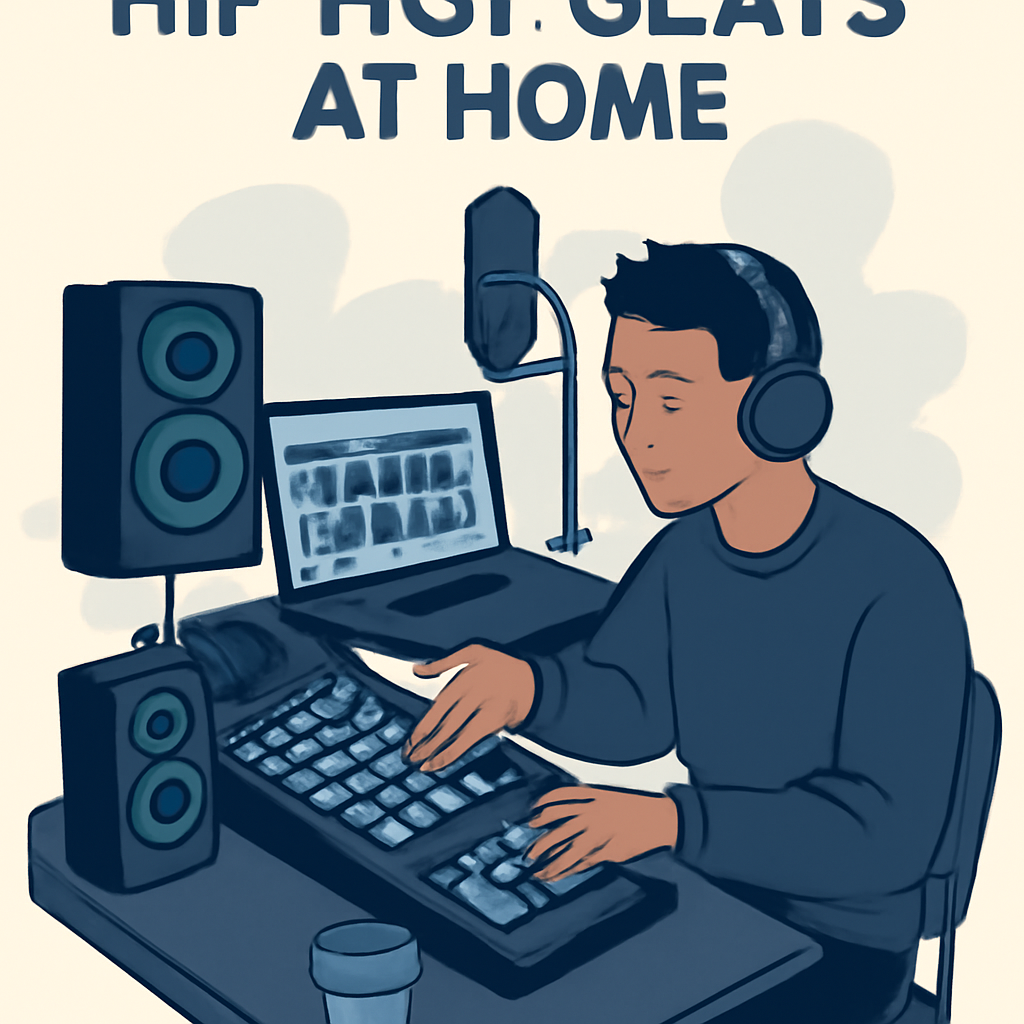
Starting with hiphopmusic at home is surprisingly approachable. A simple setup lets you capture the raw vibe of hip hop culture without a big studio. Listen to classic hip hop songs from the 90s for groove and phrasing, and explore how flow and drums drive the track. For fresh ideas, check out the best hip hop music streaming platforms to study different eras and styles.
How to produce hip hop beats at home
Step-by-step starter workflow: idea → loop → arrange → mix
Begin with a vibe. Hum or tap a rough idea, then translate it into a short loop (8–16 bars). Build up the arrangement by adding a verse-like section and a hook. Finally, mix basics: balance levels, apply gentle EQ to carve space, and insert a light compressor on the master bus. Don’t chase perfection—aim for a solid, repeatable loop you can evolve.
Budget-friendly DAWs and beginner tutorials for hip hop beats
Try budget-friendly or free options to start: BandLab (free online DAW), Cakewalk by BandLab (Windows), GarageBand (Mac, free). If you upgrade, consider affordable entries like FL Studio or Ableton Live Intro. Pair your setup with beginner tutorials focused on hip hop beats, basic sampling, and groove ideas to accelerate progress.
Understanding beat structure and drums
Common sections: intro, verse, chorus, hook
Most hip hop tracks follow an intro leading into verses, a recurrent chorus or hook, and a closing section. Use short builds, vocal drops, or instrumental hits to signal transitions. This structure helps you tell a story and keeps listeners engaged while you practice rhyme timing and phrasing.
Drum patterns: kick, snare, hi-hats
Boot the rhythm with a solid foundation: kick on the one and sometimes on the three, snare on 2 and 4, and tight 8th-note hi-hats. Add occasional 16th-note fills and syncopation to keep things interesting. Experiment with muted kicks for a boom-bap feel or add a few extra kicks to push the groove in more modern beats.
Swing and groove
Apply a light swing (often 5–12%) to push off-beat timing and create human feel. Use your DAW’s groove templates or manually nudge notes to taste. The groove is what makes a beat feel “alive,” a core element in evolving your own hiphopmusic identity.
Choosing software, gear, and samples
Budget gear: audio interface, MIDI keyboard, headphones
Start with a simple chain: a USB audio interface, a small MIDI keyboard (25–49 keys), and closed-back headphones. These basics reduce latency and give you hands-on control over melodies and drum patterns, which is essential for learning rap music production.
Ethical sampling basics and licensing
Know the rules: clear samples when you plan to release commercially, or use royalty-free packs and “free to use” licenses. When in doubt, keep samples minimal or reverse-engineer sounds to create your own vibe.
Free and affordable sample packs and plug-ins
Explore free packs from reputable libraries and affordable plug-ins. Look for drum kits, one-shot hits, and loops that fit hip hop styles, plus simple synths for basslines and melodies. BandLab Sounds, Cymatics freebies, and community packs are great starting points. This approach keeps your workflow fast and your costs low as you craft fresh beats in your own home studio.
hiphopmusic FAQ
hiphopmusic covers hip hop basics for beginners. This guide explains what hip hop is, how to make beats at home, and where to listen to beginner-friendly tracks. You’ll find practical steps and simple tips to start today.
What is hip hop music?
Originating in the Bronx in the late 1970s, hip hop blends rapping, DJing, sampling, and breakbeats. It sits alongside a broader culture that includes dance, art, and fashion. Rap is central, but hip hop music describes the whole sound and community.
How can a beginner start producing hip hop beats at home?
Choose a beginner-friendly DAW like GarageBand or Cakewalk. You don’t need expensive gear—just a laptop and decent headphones. Start with a simple four-bar drum loop (kick, snare, hats), add a bass line, then a short melody. Use free loops to practice arranging, aim for 8–16 bars, and export for feedback.
What are the best hip hop music streaming platforms for beginners?
Spotify offers Discover Weekly and curated hip hop playlists to help you explore. Apple Music has solid hip hop lists and easy offline listening. YouTube Music blends official videos with underground tracks, while SoundCloud is great for discovering new producers. Most platforms offer trials to test.
Conclusion and next steps
You’ve laid a solid groundwork in hiphopmusic basics, the culture that surrounds it, and how to produce hip hop beats at home. With a clear plan, you can turn this knowledge into a real, shareable beat and keep the learning loop active through feedback and community.
Recap and action plan
- #### Core ideas recap
– Hip hop culture centers on MCs, DJs, breakbeats, sampling, and graffiti, shaping how music is created and shared. Rap music sits inside this culture as the vocal vehicle, while hip hop beats provide the rhythmic base. Underground hip hop emphasizes authentic lyricism and creativity. Understanding these parts helps you listen, imitate, and innovate.
- #### Concrete 2-4 week goal
– Create and share one beat with feedback from at least two peers or mentors. Use a simple DAW, a basic drum loop, a bassline, and one melodic sample or synth line to start.
- #### 4-week action plan
– Week 1: Set a BPM in the 85–95 range, build a basic 8-bar drum groove, and save a rough loop.
– Week 2: Add a bassline and a simple melodic element or sample; experiment with layers but keep the mix clean.
– Week 3: Arrange into intro/verse/chorus structure, add minor transitions, and nudge levels and EQ on the beat.
– Week 4: Finalize the mix, export a clean stereo file, and post the beat on a platform like SoundCloud or YouTube. Ask for specific feedback (drums, groove, mix balance) and iterate.
Glossary of essential terms for beginners
- #### Hip hop culture
– A broad scene blending music, dance, graffiti, and fashion, driven by creativity, community, and storytelling.
- #### rap music
– Vocal performance focusing on rhythm, rhyme, and wordplay over a beat.
- #### MC
– Master of Ceremonies; the rapper who delivers the lyrics and melodies over the track.
- #### DJ
– The person who selects, scratches, and mixes records or digital tracks to craft the performance and vibe.
- #### sample
– A short piece of existing audio used to build a new beat or hook.
- #### beat
– The instrumental bed of the track, including drums, bass, and melodic elements.
- #### flow
– The rhythm and cadence of the rapper’s delivery.
- #### breakbeat
– A drum break used as a primary rhythmic element in many hip hop tracks.
Resources and communities to stay motivated
- #### Follow beginner-friendly blogs and channels
– Reddit: r/hiphopproduction and r/makinghiphop for tips and critique.
– YouTube: channels like Busy Works Beats or tutorial series focused on hip hop production basics.
- #### Forums and social groups
– Discord servers and Facebook groups dedicated to beatmaking and hip hop production for real-time feedback and peer support.
- #### Open mics or online cohorts and feedback circles
– Local open mic nights or online open mics; join feedback circles on platforms like Discord to share work-in-progress beats and receive constructive critique.