
Table of Contents
1. What is taskmanager and why use it
2. Getting started with task management software
3. Core features of a taskmanager
4. taskmanager FAQ
5. Conclusion and next steps
What is taskmanager and why use it
What is taskmanager?
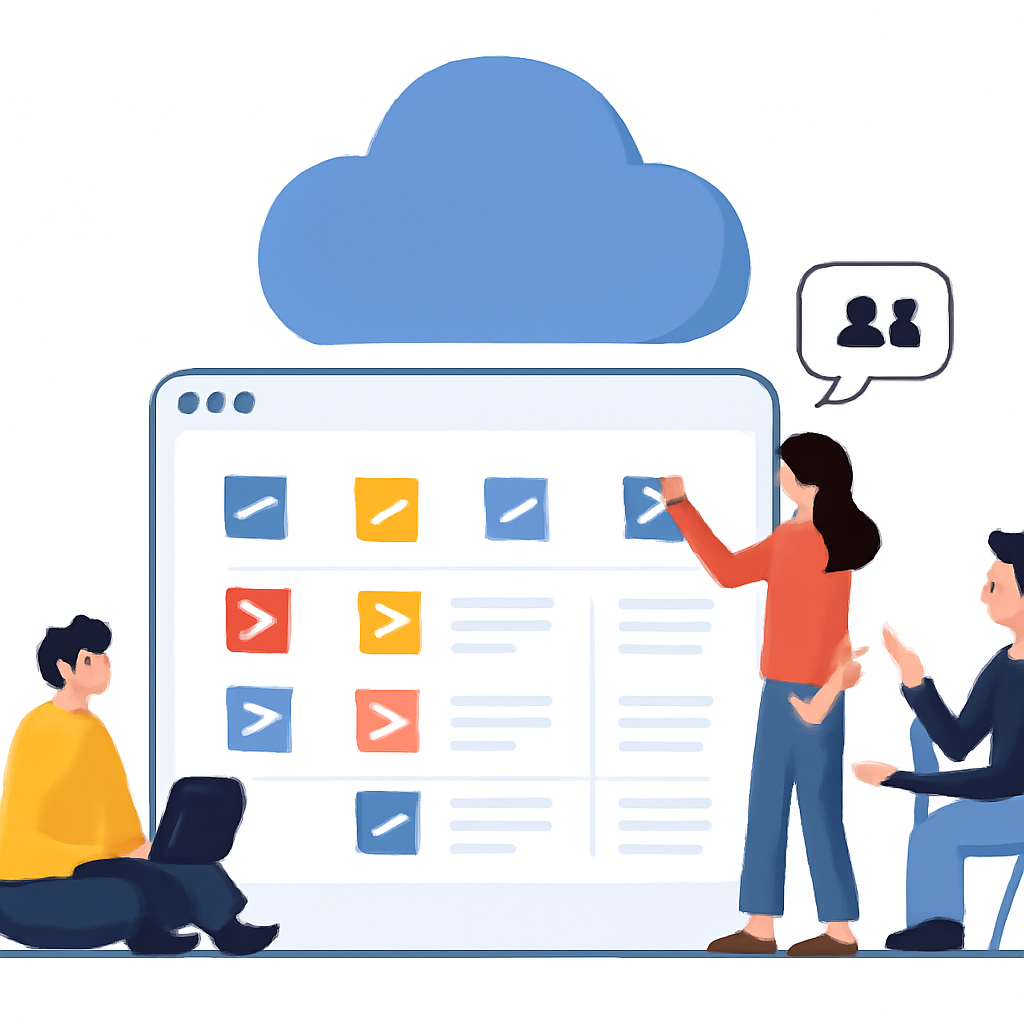
taskmanager is a simple, centralized way to track tasks, deadlines, and progress across projects. It acts as task management software, a project task tracker, a workflow management tool, a task scheduling app, and a team collaboration platform—so you have everything in one place. By keeping a single source of truth, it reduces email clutter and scattered notes, making it easy to see what’s next. You can add tasks, assign owners, set due dates, add comments, and move items through stages to reflect real progress.
Who should use it?
Small teams, freelancers, students, and anyone juggling multiple tasks. It’s great for improving ownership, visibility, and accountability, especially when collaborating across projects. If you work remotely, a cloud based task manager for remote teams makes updates visible in real time. For freelancers, a free task management app for freelancers helps keep costs down while tracking time and deadlines. For small teams, the best task manager for small teams balances simple task scheduling with clear ownership. It also serves as a simple project task tracker, helping you see deadlines at a glance and plan your day. When you’re ready, try a task management software with time tracking features to start building your routine.
Getting started with task management software
Starting with task management software helps beginners bring order to work, visualize priorities, and stay aligned with teammates. A solid taskmanager makes it easy to create tasks, assign owners, set deadlines, and watch progress in real time. Many teams start with cloud-based options because they’re quick to set up and work well for remote collaboration. As you explore, look for a clean interface, reliable mobile apps, and sensible pricing that fits your team size.
Choosing your setup
Choosing between cloud-based and local installations frames your initial investment and maintenance. Cloud-based task management software is popular for remote teams because updates happen automatically and access is universal across devices.
Cloud-based vs local
Cloud-based options minimize IT setup and let your team work from anywhere. They simplify sharing, reporting, and backups, which helps when you scale. If data residency or on-site control is essential for your policy, a local setup can work, but it usually comes with more configuration and ongoing maintenance. For most beginners, cloud-based taskmanager solutions reduce friction and accelerate collaboration.
For small teams
For small teams, intuitive setup and affordable pricing matter most. The best task manager for small teams often offers a free tier that covers essential workflows, letting you validate fit before paying. Look for core capabilities like quick task creation, due dates, assignees, and simple boards, plus optional add-ons such as calendars and basic time tracking. A cloud based task manager for remote teams can scale smoothly as you grow, while freelancers can start with a free task management app that handles a few projects and collaborators.
Starting with a simple workflow
A straightforward workflow gives everyone a clear path from idea to completion. Start by naming projects and then breaking them into tasks with owners, due dates, and status markers.
Define projects, tasks, assignees, due dates, and statuses to establish a baseline
Define projects, tasks, assignees, due dates, and statuses to establish a baseline. This creates a single source of truth, making progress easy to report in your project task tracker. Begin with a few simple projects and a handful of tasks to practice the rhythm.
Start with a lightweight workflow
Use a lightweight workflow (To Do > In Progress > Done) and a basic task scheduling app to learn quickly. Keep transitions simple and set gentle reminders so the team stays aligned without feeling overwhelmed. As comfort grows, you can expand to more detailed stages and add time tracking features for better visibility. This approach also supports gradual adoption across your team collaboration platform.
As you gain confidence, you’ll see how these fundamentals feed into the core features of a taskmanager that streamline planning, tracking, and teamwork.
Core features of a taskmanager
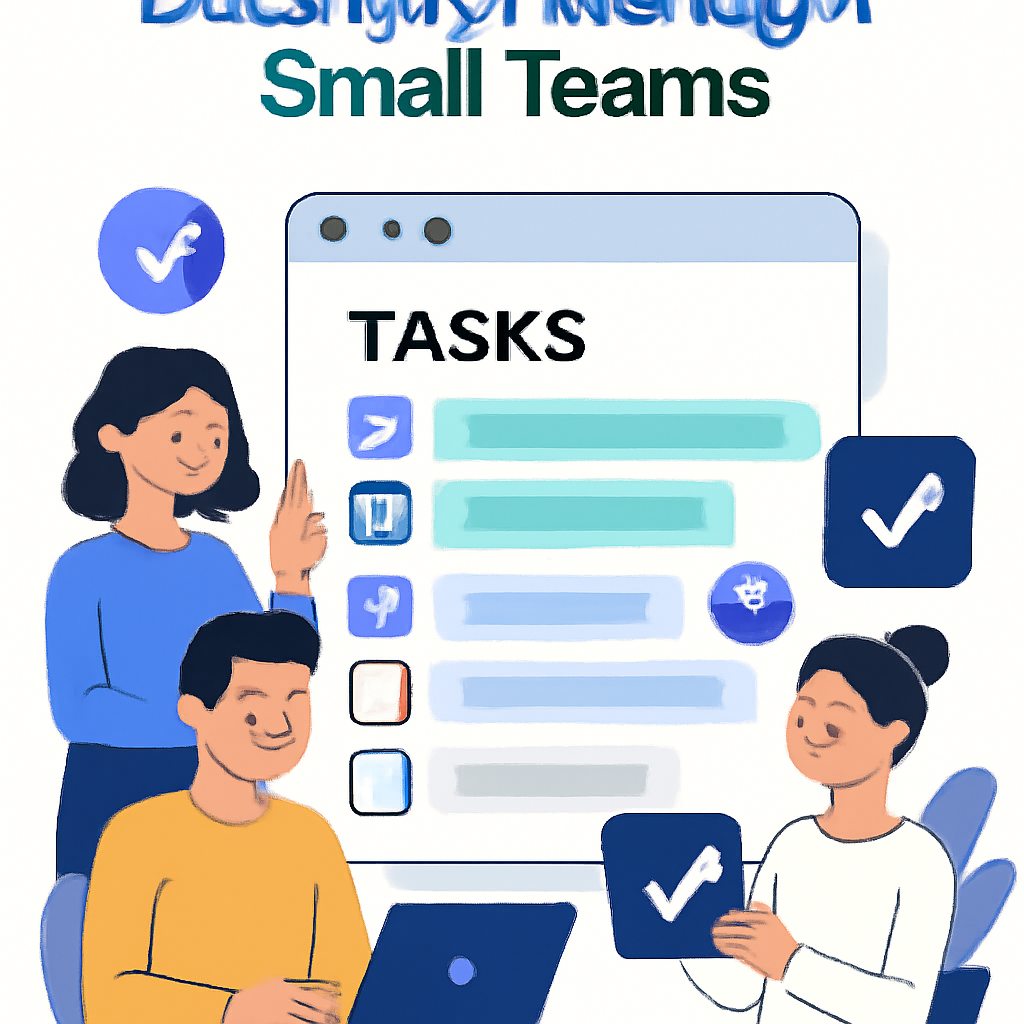
For someone new to task management, choosing the right tool matters. A solid taskmanager serves as a simple hub where ideas become action. You’ll want strong time tracking, smart scheduling, smooth collaboration, and flexible views. When you’re evaluating options—whether you’re comparing cloud based task manager for remote teams or the best task manager for small teams—focus on how these core features work together to keep projects moving.
Time tracking and scheduling
Look for built-in time tracking or easy integration with timers.
In practice, a taskmanager with built-in time tracking lets you log minutes directly inside each task. If you don’t see it, check for easy integrations with popular timers (like Toggl or Pomodoro apps). Time data links to tasks, so you can see how long work actually takes and spot bottlenecks. For beginners, this makes budgeting effort simpler and supports accurate invoicing for freelancers or contractors.
Use scheduling features to set due dates, repeat tasks, and dependencies; this layout can double as a project task tracker.
Set due dates so calendars update automatically, create recurring tasks for weekly routines, and build dependencies so one task can’t start until another finishes. This setup effectively doubles as a lightweight project task tracker, letting you map a project from start to finish. Try starting with a small project: a blog post cycle or a product release checklist. Visualize it in calendar or Kanban views to stay on schedule and adapt quickly as priorities shift.
Collaboration and workflow
Real-time comments, file sharing, and @mentions boost teamwork and function as a team collaboration platform.
Real-time dialogue keeps conversations with teammates in context—no back-and-forth emails needed. Attach files right to tasks, and use @mentions to alert teammates or leaders when input is required. This makes the tool feel like a true team collaboration platform, especially useful for remote teams that rely on quick updates and clear ownership.
Support for a variety of views (Kanban, list, calendar) to manage your workflow as a lightweight workflow management tool.
Switch between Kanban for visual flow, a simple list for quick triage, and a calendar to track deadlines. Having these views in one taskmanager helps you tailor your workflow to your team’s style, whether you’re testing a free task management app for freelancers or integrating a cloud based task manager for ongoing collaboration. This flexibility keeps even complex projects approachable for beginners while still offering depth for growth.
taskmanager FAQ
Taskmanager helps beginners organize work without overwhelm. It blends task management software, a project task tracker, and a simple workflow management tool in one place. Create tasks, set due dates, assign teammates, and see progress at a glance. It’s a clear starting point for solo and small-team projects.
What is taskmanager?
Taskmanager is a beginner-friendly platform to create, assign, and track tasks across projects. It acts as task management software, a project task tracker, and a workflow management tool. You can set priorities, add notes, attach files, and move tasks through stages. It works well as a team collaboration platform to keep everyone aligned.
Quick start tips
- Create your first project and add a few tasks
- Set due dates and priorities
- Assign tasks to teammates or yourself
- Use simple statuses (To Do, In Progress, Done)
Is it cloud-based?
Yes. Taskmanager runs in the cloud, so you can access it from a browser or mobile app on any device. Data sync happens automatically, making it ideal for cloud based task manager for remote teams. Some plans offer offline edits, and you can invite teammates with different access levels.
Access tips
- Check internet connection for syncing
- Set up a shared workspace for your client or team
- Review permissions to protect sensitive tasks
Can freelancers use it for free?
Yes. Many taskmanager options include a free tier that fits freelancers starting out. A free task management app for freelancers usually covers unlimited tasks and boards, but may limit features like time tracking, reporting, or integrations. If you need those, you can upgrade later.
Free plan tips
- Start with the free plan to test your workflow
- Use time estimates and timers if available
- Track freelance projects to justify a paid plan after growth
- Compare features before upgrading
Conclusion and next steps
Choosing a taskmanager sets the stage for clearer planning, smoother collaboration, and steady progress. A solid setup helps you move from scattered notes to a living workflow—where tasks are assigned, deadlines are clear, and everyone knows what to do next. As you compare options, think about how a tool will fit your team’s daily routines and future needs. A good balance of simplicity and capability will keep adoption high and frustration low, especially for beginners.
Recap and how to choose a task manager
Review your needs: team size, remote work, time tracking, and desired integrations.
Start by listing who will use the tool and how they work. If your team is small and mostly remote, a cloud based task manager for remote teams can be a big win, accessible from any device. If you bill hours or need accurate client invoices, time tracking features matter. Check integrations you rely on—email, calendar, file storage, chat apps, and your existing project tools—to avoid data silos. Look for a balance between task management software depth and ease of use. This is where you’ll identify candidates that fit the idea of a project task tracker and a workflow management tool, while also serving as a reliable task scheduling app and team collaboration platform for everyday work.
Compare tools by features, pricing, and onboarding support; this helps identify the best fit for you.
Create a short comparison checklist. Core features to lock in include: create and assign tasks, due dates, statuses, subtasks, and file attachments; time tracking if needed; basic reporting. Evaluate pricing by real user counts and whether there’s a generous free plan or a trial. Onboarding support matters too—look for guided tours, templates, onboarding checklists, and responsive support. For a beginner, aiming for the best task manager for small teams often means choosing a solution that scales with you and offers solid onboarding. If you’re freelancers or solo, a free task management app for freelancers can be enough to start.
Getting started quickly with your first tool
Set up a basic project, add a few tasks, assign owners, and establish due dates.
Create a simple project name (for example, “Onboarding” or “Q4 Launch”). Add 4–6 concrete tasks, give each a clear title, assign an owner, and set due dates. Add a short description or checklist for tricky tasks, and attach any relevant files. Use a consistent naming scheme so everyone recognizes tasks at a glance. This quick setup forms your first workflow and shows how items flow from start to finish.
Try a tool with a free plan or trial to minimize risk while you learn.
Open with a free plan or trial, and limit yourself to one or two projects while you learn the basics. Schedule a 20-minute daily check-in for the first week to review your board, adjust task ownership, and tighten due dates. After two weeks, gather feedback from teammates, adjust permissions, and document a simple standard operating procedure for task updates. This hands-on approach keeps you in control while you explore the advantages of your new task management solution.