

Table of Contents
1. Motivation for Teams: Why It Matters
2. Foundations: Goals, Drive, and Self-Discipline
3. Strategies to Elevate Motivation and Productivity
4. motivation FAQ
5. Conclusion: Turning Motivation into Momentum
Motivation for Teams: Why It Matters
motivation is the engine behind team performance. When people feel inspired and driven, focus sharpens, energy rises, and commitment to shared objectives grows. In fast-moving environments, motivation directs daily choices and shapes long-term outcomes as surely as skills or resources. For managers, it’s essential to recognize how inspiration, drive, goal setting, and self-discipline interact to elevate collaboration and accountability. Teams seek practical ways to stay motivated at work and strategies to boost intrinsic motivation. Even during setbacks, clear expectations, recognition, and routines translate effort into measurable results. When this alignment holds, teams translate motivation into sustained productivity and improved morale.
What motivation means for professionals
Motivation drives focus, energy, and commitment in team environments. It shapes daily decisions and long-term outcomes.
The link between motivation, productivity, and goal setting
Clear goals provide direction and measurable milestones. Intrinsic motivation sustains effort beyond external rewards.
That alignment turns effort into momentum and makes self-discipline part of daily work. Foundations: Goals, Drive, and Self-Discipline will build on these ideas with concrete practices for sustaining motivation across teams.
Foundations: Goals, Drive, and Self-Discipline
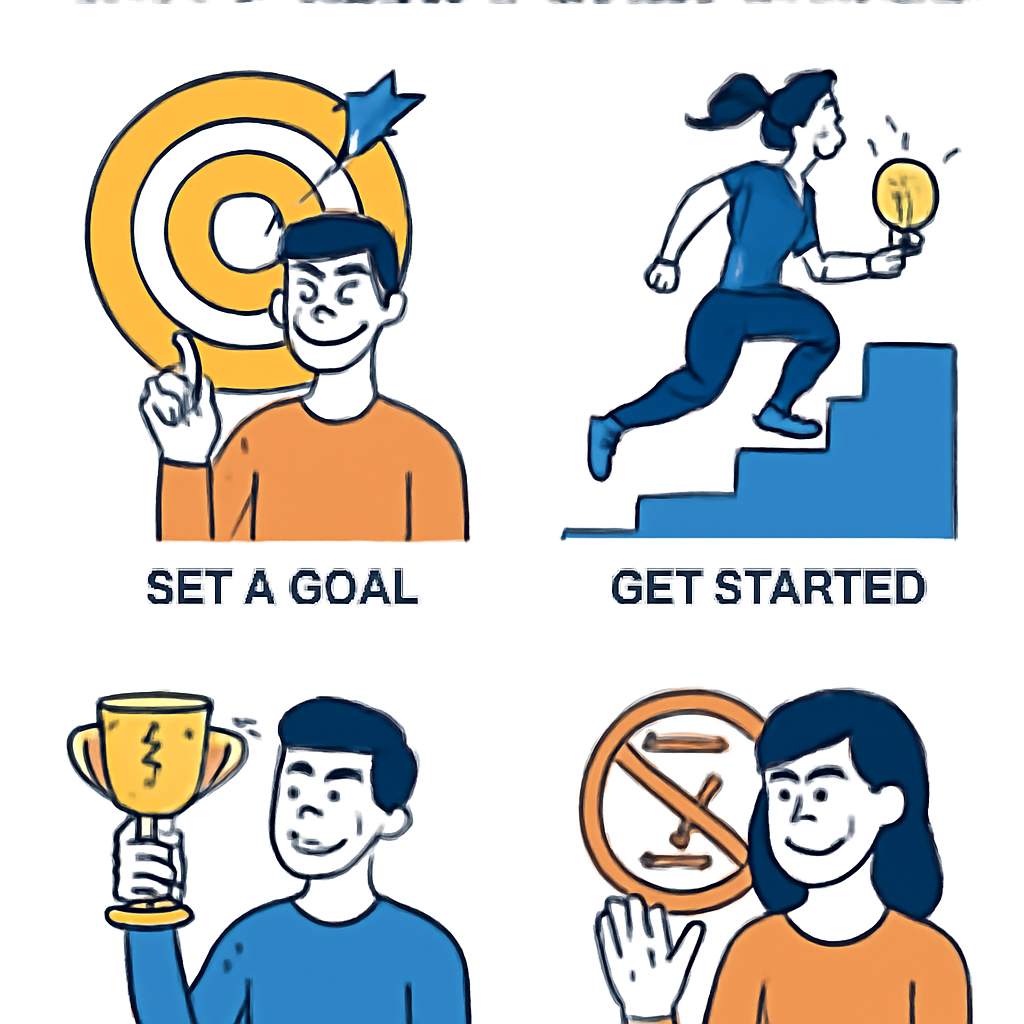
Motivation is the engine that converts intention into action. Clear goals, visible progress, and disciplined routines turn ambition into measurable outcomes. When teams align individual drive with overarching objectives, motivation remains durable, boosting productivity, reducing procrastination, and sustaining steady performance across projects and learning journeys.
Goal setting as a driver of motivation
Details
- Set S.M.A.R.T. goals that align with team objectives.
- Make progress visible with public milestones and dashboards.
Specific targets provide a clear north star and a basis for feedback. When goals are Specific, Measurable, Achievable, Relevant, and Time-bound, individuals know what success looks like and by when. Tie these goals to team objectives or OKRs so daily tasks contribute to a shared outcome. Public milestones create social accountability, while dashboards deliver real-time signals and opportunities to celebrate small wins. For example, a product team might aim to increase feature adoption by 20% in eight weeks, displaying weekly progress on a shared dashboard. The visibility of progress reinforces motivation and guides tactical prioritization, helping people stay focused even when tasks are challenging.
Intrinsic motivation vs extrinsic motivation
Details
- Prioritize autonomy, mastery, and purpose to sustain effort.
- Use external rewards sparingly and tie them to meaningful outcomes.
Intrinsic motivation flourishes when people experience ownership, growth, and impact. Support autonomy by offering meaningful choices in how tasks are approached, opportunities to stretch skills, and alignment with personal values. Foster mastery through incremental challenges, feedback, and access to learning resources, so effort translates into visible skill gains. Tie work to a purpose—customer impact, societal value, or long-term career growth—to strengthen sustained engagement. Use external rewards sparingly and ensure they reinforce outcomes rather than merely rewarding activity. For instance, a learning program might reward completed courses with badges tied to demonstrable skill improvements rather than hours logged, reinforcing genuine progress. These strategies are especially relevant for motivation techniques used by students and learners, who often respond to tasks that feel purposeful and personally meaningful.
Self-discipline and consistency
Details
- Develop routines that reduce decision fatigue and procrastination.
- Use consistent cues and reminders to sustain effort over time.
Habit-forming routines minimize free-variance in behavior. Establish a predictable sequence—a morning planning ritual, a fixed start time, and a short end-of-day review—to reduce cognitive load and decision fatigue. Consistent cues, such as calendar reminders, visual task lists, or environmental prompts, sustain momentum and make progress feel automatic rather than heroic. This approach helps overcome procrastination by turning intent into regular practice. For learners and professionals alike, pairing disciplined routines with small, achievable milestones compounds motivation, turning daily effort into meaningful, long-term results.
These foundations prepare you to apply targeted strategies that elevate motivation and productivity across work and study contexts. The next step translates this structure into practical, scalable actions that sustain high performance.
Strategies to Elevate Motivation and Productivity
Motivation fuels daily performance and long-term results. Focusing on intrinsic motivation—driven by autonomy, mastery, and purpose—helps sustain effort beyond short-term rewards. When tasks align with personal or team values, teams experience clearer drive and reduce procrastination. Structured goal setting, deliberate routines, and practical learning strategies turn motivation into measurable progress at work and in learning.
Strategies to boost intrinsic motivation
Connect tasks to personal or team purpose and value.
Link everyday work to bigger outcomes that matter to you and your colleagues. Start with a simple impact map: What problem does this task solve? Who benefits, and how does it improve the customer or team mission? Document a one-sentence purpose for each major task and revisit it weekly. When people see the value, effort feels purposeful rather than mandating, increasing sustained engagement.
Provide autonomy, opportunities for mastery, and clear purpose.
Offer choice in how to approach tasks, set meaningful mastery goals, and provide timely feedback. Allow team members to select methods, timelines, or collaborators, and pair this freedom with clear milestones. Regular check-ins should focus on progress toward mastery, not just completed Deliverables. This combination strengthens intrinsic motivation and reinforces self discipline, helping individuals stay engaged even during routine or challenging work.
Daily routines to improve motivation and productivity
Start with a focused morning routine, then block time for deep work.
Begin with a concise ritual: a 5–10 minute planning session, a quick reflection on priorities, and a single high-value task for the day. Then allocate uninterrupted blocks for deep work—60 to 90 minutes is effective for most people—free from meetings and distractions. End the block with a brief review of what was accomplished and what the next steps are. These steady blocks build momentum and reduce the cognitive friction that erodes motivation.
Incorporate short, deliberate breaks to maintain energy and reduce burnout.
Schedule regular pauses to move, hydrate, or stretch. Short, intentional breaks prevent fatigue and preserve focus, especially during long workdays. A practical pattern is to work in focused intervals, followed by a 5–10 minute recharge, then return to a new block. This cadence supports sustained motivation and helps manage energy without sacrificing productivity.
Motivation techniques for students and learners
Encourage personal goal setting and reflection on progress.
Have learners set weekly personal goals aligned with course outcomes. Prompt reflection with questions like: What progress did I make toward my goals this week? What obstacles appeared, and how can I address them next time? Regular goal setting deepens ownership and clarifies the path from effort to achievement.
Use spaced repetition and practical application to reinforce motivation in learning contexts.
Incorporate spaced repetition to strengthen memory and reduce cramming. Pair repetition with real-world projects or problems that require applying new concepts. Retrieval practice, interleaved topics, and hands-on tasks translate motivation into tangible learning gains and boost confidence to tackle harder material.
motivation FAQ
Motivation drives action toward goals at work and in learning. By pairing practical routines with goal setting and a focus on intrinsic motivation, you can sustain momentum, improve productivity, and reduce procrastination.
How to stay motivated at work
Link daily tasks to larger objectives with clear goal setting. Define SMART weekly goals and translate them into a concise daily plan. Establish a consistent routine—a brief morning check-in, time-blocked work sessions, and a quick end‑of‑day review—to preserve self discipline. Track progress with a simple metric and celebrate small wins to reinforce momentum. Optimize your environment to support focus: stable lighting, a tidy desk, and minimized distractions. Seek regular feedback and accountability from teammates to keep inspiration alive and maintain forward drive.
What are effective strategies to boost intrinsic motivation?
Intrinsic motivation thrives on autonomy, mastery, and purpose. Create room for choice in task order or approach, and set personal learning goals that expand your skill set. Foster mastery through deliberate practice, small, attainable challenges, and rapid feedback loops. Connect work to a clear impact—the value you create for others or the learning you gain—so purpose remains visible. Reduce reliance on external rewards and cultivate internal recognition by noting progress and personal growth.
How do I overcome procrastination through motivation?
Start by identifying the root cause—ambiguous tasks, fear of failure, or overwhelm. Use a quick 2-minute rule to start: begin with a tiny, doable step, then expand. Apply implementation intentions (if-then planning) to predefine how you’ll act in specific moments. Break large tasks into micro-steps and use focused bursts (like a Pomodoro cycle) to build momentum. Schedule accountability with a colleague or mentor and prepare your materials in advance. Create a conducive starting point and environment to reduce friction and sustain motivation.
Turning Motivation into Momentum
Motivation is the spark that starts a project, but momentum comes from consistent actions, clear goals, and accountable routines. When teams connect personal drive with strategic objectives, energy translates into measurable progress. Intrinsic motivation flourishes when work aligns with values, autonomy is preserved, and progress is visible. To stay productive, pair goal setting with practical disciplines—daily routines, micro-habits, and timely recognition—so motivation doesn’t fade after the first sprint. Research consistently shows that clear objectives, deliberate practice, and regular feedback boost sustained engagement, reducing procrastination and accelerating outcomes. The goal is to turn initial inspiration into steady performance, even during tight deadlines or high-pressure periods.
Key takeaways for teams
- #### Clarify goals and align them with team strategy.
Start with a transparent planning cycle: translate quarterly objectives into 2–3 team OKRs and then break those into weekly deliverables. When every member sees how their tasks move the needle, motivation remains high. Use visible dashboards and regular updates to reinforce progress and reduce ambiguity. This alignment not only clarifies purpose but also strengthens self-discipline as individuals manage fewer, more impactful tasks.
- #### Build routines and accountability to sustain motivation.
Establish predictable cadences: short daily huddles, a midweek progress review, and a Friday reflection. Pair accountability partners to check-in on blockers and celebrate wins. Visible rituals—progress boards, milestone badges, or team shout-outs—turn effort into social proof, reinforcing motivation through momentum and peer recognition.
Next steps and practical tips
- #### Create a quick 7-day motivation plan with daily actions.
Day 1: define the top 3 personal and team goals for the week. Day 2: segment them into bite-sized tasks. Day 3: time-block focus periods (90 minutes) and shield them from interruptions. Day 4: apply the two-minute rule to start tasks that feel daunting. Day 5: pair up with a peer for a 30-minute accountability check-in. Day 6: review progress and adjust priorities. Day 7: celebrate small wins and refine the plan.
- #### Schedule regular check-ins to track progress and celebrate wins.
Set a recurring cadence for progress reviews—weekly or biweekly—where teams quantify outcomes, discuss obstacles, and acknowledge contributions. Include a short celebration of wins, even small ones, to reinforce progress and sustain intrinsic motivation. Keeping momentum requires both structure and recognition, especially when workloads shift or new priorities emerge.