

Table of Contents
1. Shower Solutions for Cost Savings and Property Value
2. Choosing Efficient Shower Features
3. Installation and Maintenance for Longevity
4. Cost-Effective Design and Product Comparisons
5. shower FAQ
Shower Solutions for Cost Savings and Property Value
shower design drives daily comfort and property value. Upgrading the shower with efficient fixtures, a durable shower stall, and a quality door can boost buyer appeal while lowering utility costs. For small bathrooms, prioritize compact layouts and water-saving options—consider the best rainfall shower head for small bathrooms, affordable walk in shower ideas for small bathrooms, and a water saving shower head comparison for apartments. Steam showers offer luxuries without excess water use.
Why the shower matters for property value
High ROI upgrades
Remodelling the shower can boost appraisal value and attract buyers; low-flow fixtures and sturdy doors deliver high ROI.
Key cost-saving opportunities in a bathroom makeover
Prioritize size-efficient fixtures
Choose compact, space-efficient fixtures to reduce material and labor costs, especially in tight shower stalls.
Plan for durability to minimize maintenance
Select durable materials and easy-clean surfaces to minimize maintenance and rework, reinforcing long-term savings and smoother occupancy cycles. That approach sets the stage for choosing efficient shower features, aligning with modern codes and ongoing maintenance savings.
Choosing Efficient Shower Features
Selecting efficient shower features balances water use with comfort and space. By pairing a well-chosen shower head with a smart enclosure and a thoughtfully sized rainfall element, you can maintain a spa-like feel in a compact bathroom while trimming utility costs.
Shower head options and water savings
Aerated vs laminar flow heads
Aerated heads mix air into the water stream, preserving perceived volume while using less water. They typically run around 1.8–2.0 gpm, delivering a full feel without waste. Laminar heads pour a pure, vertical water column, which can feel strong but may deliver less comfort on low-pressure systems. For apartments with variable pressure, aerated models often maintain consistent sensation without increasing water use.
Certifications to look for
Look for EPA WaterSense or similar certifications; these indicate performance at or below 2.0 gpm. In practice, a WaterSense-labeled head in an apartment should deliver comparable comfort to standard fixtures while saving water over time. If you plan a quick swap, choose models with adjustable spray patterns to tailor intensity without increasing flow.
Shower stall and enclosure choices
Frameless doors can feel larger and reduce cleaning angles
Frameless shower doors create uninterrupted sight lines that make a stall feel bigger. With fewer frames, there are fewer corners to scrub, and the door gaps stay cleaner longer. Proper installation matters—use level hinges and a plumb door, and seal bottom tracks to prevent leaks.
Materials like tempered glass and acrylic improve longevity
Tempered glass (typically 6–8 mm) offers durability and clarity, while acrylic panels provide a lighter, affordable alternative. Tempered glass resists chipping and can tolerate daily use; acrylic is easier to cut onsite and often lowers installation costs. Both require regular cleaning with non-abrasive cleaners to avoid haze or scratches.
Rainfall shower considerations for small bathrooms
Smaller rainfall heads can deliver immersive feel without space penalties
For compact bathrooms, choose smaller rainfall heads (6–8 inches) to preserve ceiling height while delivering overhead immersion. Pair with a WaterSense-rated model to keep water use in check. This approach aligns with affordable walk in shower ideas for small bathrooms by offering luxury without a bulky footprint.
Ceiling-mount vs wall-mount options
Ceiling-mount rainfall heads create the most authentic overhead feel and reduce visible plumbing, which enhances the sense of space. Wall-mount options are simpler to retrofit in tight layouts but may require longer arms or angled brackets. Regardless of choice, ensure structural support and proper sealing to maintain performance and ease of maintenance.
With these decisions, you’ll set up a shower system that uses less water, cleans more easily, and suits a small bathroom’s dimensions. The next step focuses on installation and maintenance for longevity.
Installation and Maintenance for Longevity
A durable shower enclosure protects the bathroom from water intrusion while preserving a clean, modern look. Proper installation, paired with routine maintenance, extends the life of doors, panels, and seals. The following guidance focuses on practical steps you can take to maximize longevity without compromising style or function.
How to install a shower enclosure door
Choose the right track system and sealant
Evaluate the rough opening, glass thickness (typically 6–8 mm for residential use), and installation space. For small bathrooms, a semi-framed or frameless door can visually enlarge the room while providing easy access. Select corrosion-resistant track materials such as stainless steel or anodized aluminum, with finishes that match the bathroom fixtures. Use a 100% silicone sealant for all joints; consider a neutral-cure silicone to prevent staining on tile and glass. Include a flexible gasket at the pivot points and a proper bottom sweep to minimize water escape.
Follow manufacturer’s instructions and waterproofing best practices
Read and follow the door kit instructions precisely. Verify the opening is square, use shims to align the door, and anchor to studs or solid backing. Install a waterproof membrane or “liner” behind tile or drywall where the track penetrates, and seal all penetrations with backer rod and silicone. Ensure glass panels are properly fitted and anchored, leaving room for micro-movements. Perform a leak test by simulating a light shower for 5–10 minutes before finishing grout or tile touches. Maintain a small gap around the frame to allow for expansion.
Easy shower stall cleaning tips for maintenance
Regular squeegee after use to prevent buildup
Keep a microfiber squeegee in the bathroom and wipe down glass and tile after every shower. This simple habit reduces soap scum and mineral deposits, preserving clarity and preventing mold growth in corners and grout lines.
Use non-abrasive cleaners suitable for glass and tile
Opt pH-neutral or mild cleaners and avoid abrasive pads on glass and polished hardware. For mineral deposits, a diluted vinegar solution can help, but rinse thoroughly to prevent streaks. Daily wiping followed by a quick dry with a microfiber cloth minimizes recurring maintenance and keeps the shower looking fresh longer.
Affordable walk in shower ideas for small bathrooms
Curbless or low-threshold options to maximize space
A curbless shower creates a seamless floor plane, making the room feel larger and easier to navigate. Ensure proper waterproofing with a continuous membrane and a cant or slight slope toward the drain. Prefabricated panels or continuous-ti le solutions can keep costs predictable, while single-door setups reduce visual clutter. For apartments, compact configurations paired with a rainfall shower head (or a smaller rainfall-like head) deliver a spa feel without dominating the space.
Integrated niches and shelving reduce clutter and costs
Recessed niches or built-in shelves minimize freestanding caddies and tile-finish interruptions. Position niches at convenient heights (roughly 48–60 cm above the shower floor) for toiletries, and tile them to match the rest of the enclosure. This approach lowers hardware clutter, simplifies cleaning, and often reduces overall material costs—while still accommodating a best rainfall shower head for small bathrooms and other shower head options that optimize water use. For apartments, a water saving shower head comparison shows there are affordable, low-flow models that pair well with compact, curbless designs.
Cost-Effective Design and Product Comparisons
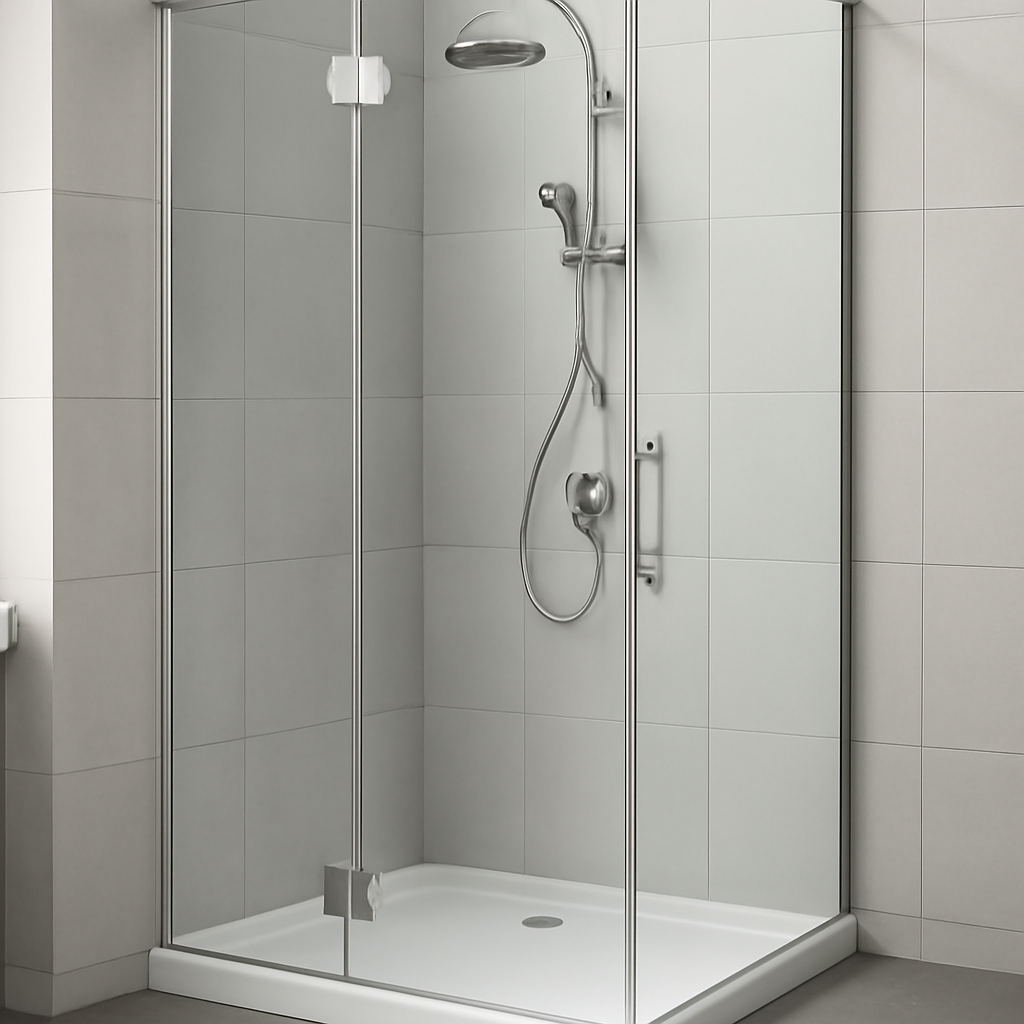
In compact bathrooms, the right shower setup delivers comfort without waste. This section focuses on efficient options: a best rainfall shower head for small bathrooms, a water saving shower head comparison for apartments, and steam shower options with ROI considerations. Practical choices, measured costs, and easy-to-implement tips help you balance experience and expense.
Best rainfall shower head for small bathrooms
- #### Compact footprint and pressure compatibility
Opt for a compact diameter, roughly 4–6 inches, that still delivers a satisfying rainfall feel. Confirm compatibility with typical apartment pressures (approximately 30–50 psi) and ensure the thread size matches your plumbing (most common is G 1/2″).
- #### Flow balance and spray options
Target models in the 1.8–2.0 GPM range to maintain shower performance while conserving water. Look for adjustable spray patterns so you can switch from broad coverage to a more focused massage when needed.
- #### Installation and maintenance ease
Choose corrosion-resistant finishes and self-cleaning nozzles to reduce maintenance. Most installs are simple with basic tools, and the head should be easy to detach for quick de-scaling in hard-water areas.
- #### Practical integration tips
In a small shower stall, pair a compact rainfall head with a handheld wand for added flexibility. If upgrading to an enclosure door, select a slim track design to avoid reducing shower space.
Water saving shower head comparison for apartments
- #### Flow rates, certifications, and performance
Compare models rated around 1.5–1.8 GPM and prioritize WaterSense or equivalent certifications to ensure consistent performance at lower flow. Certification helps set realistic expectations for pressure and spray quality.
- #### Maintenance costs and durability
Favor durable materials and easy-clean nozzles to minimize upkeep. A longer cartridge life and simple replacement parts reduce long-term costs.
- #### Impact on bills and heater demand
Lower flow can cut monthly water and heating energy, especially in apartments with tank-style heaters. Run a quick two-week test by timing showers at different heads to gauge savings before committing.
- #### Cost-benefit and installation considerations
Analyze upfront costs against annual savings. A typical 0.5–0.8 GPM reduction can yield noticeable savings over 12–24 months, making the switch financially sensible for rental units seeking efficiency.
Steam shower options and ROI considerations
- #### Upfront costs and space requirements
Steam showers demand a sealed enclosure and a steam generator. Installations can range from $2,000 to $6,000 plus generator and plumbing, with variation based on enclosure quality and size.
- #### Ventilation and control options
Proper humidity management is essential. Integrate thermostatic controls and timers, plus a vent or exhaust fan to prevent moisture buildup in the bathroom.
- #### Running costs and ROI
Steam mode increases energy use; expect higher running costs if used daily. A realistic ROI depends on frequency—typical payback can stretch to 5–10 years for moderate use, but frequent steam sessions improve the economics.
- #### Design considerations for small spaces
Choose a compact, well-sealed enclosure with solid insulation and a mounted control panel. Pair with a smaller generator and precise venting to minimize running costs while preserving the luxury experience.
shower FAQ
A shower’s efficiency comes from smart fixture choices, enclosure design, and a simple maintenance routine. This FAQ covers energy and water efficiency, selecting shower heads for small bathrooms, and cost-effective upkeep for a shower stall.
What makes a shower energy and water efficient?
Use a low-flow shower head (1.5–2.0 gpm) with an aerated spray and insulate hot-water pipes to cut heat loss. Look for WaterSense or a similar certification. For compact bathrooms, the best rainfall shower head for small bathrooms can deliver broad coverage without wasting water when paired with a thermostatic valve. Steam showers feel luxurious but use more energy and require ventilation, so reserve them for larger baths.
How do I choose between a rainfall shower head and a standard head for a small bathroom?
In a tight shower stall, a large rainfall head can overwhelm space and pressure. A compact rainfall head or a standard fixed head with a handheld option offers flexible coverage without crowding the room. If your water pressure is strong, rainfall can work; if not, a standard head with an adjustable arm is typically more reliable. When evaluating options, consider a water saving shower head comparison for apartments and aim for a model that aligns with your layout and the best rainfall shower head for small bathrooms.
What maintenance steps keep a shower stall clean and cost-effective?
Adopt a simple routine: wipe surfaces after use, clean grout lines every 2–3 months, and flush the drain with a vinegar-water solution monthly. Use non-abrasive cleaners and avoid harsh chemicals that can degrade seals. Improve ventilation to curb mold, check door seals, and reseal as needed. For budget-conscious planning, explore easy shower stall cleaning tips for maintenance and affordable walk in shower ideas for small bathrooms.