

Table of Contents
1. Motivation as a Driver for Real Business Results
2. A 5-Step Plan to Turn Motivation into Outcomes
3. Steps 4 and 5: Sustain Momentum and Measure Impact
4. motivation FAQ
5. Conclusion: Turning motivation into real business results
Motivation as a Driver for Real Business Results
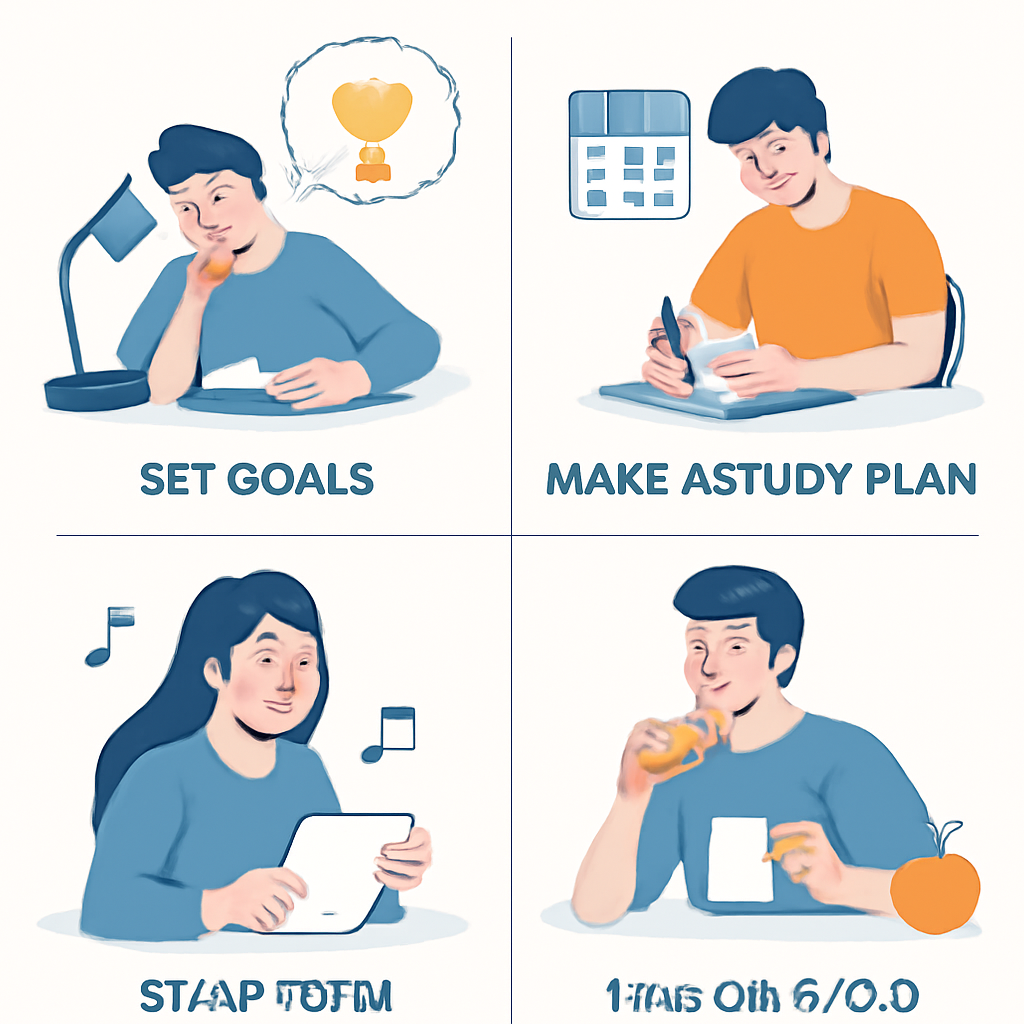
motivation is more than a momentary spark; it is a driver for real business results. When teams feel inspired by meaningful work and a clear path to success, drive sustains performance across projects and quarters. In a professional context, motivation aligns personal goals with business outcomes, turning ambition into action and setting the stage for consistent, strategic progress. This alignment is reinforced by concrete goal setting, visible milestones, and shared accountability, keeping momentum steady even as priorities shift.
Understanding motivation in a professional context
Motivation aligns personal goals with business outcomes.
When personal drivers align with corporate strategy, daily work contributes to measurable results.
Drive and inspiration fuel consistent performance.
Drive comes from meaningful work, clear expectations, and visible progress that sustains effort through challenges.
Ambition translates into measurable action when connected to strategy.
Ambition becomes action when linked to specific goals, milestones, and accountability within a strategic plan.
Why a 5-step plan unlocks ambition and results
A structured plan converts motivation into measurable goals.
A step-by-step framework translates energy into concrete targets and timelines.
Each step reinforces goal setting, accountability, and progress tracking.
Each step clarifies ownership and provides feedback loops to maintain momentum.
That practical framework reduces ambiguity and helps teams stay on track during tough times, making motivation resilient and actionable. By tying drive and ambition to concrete goal setting and progress metrics, you can maintain motivation for studying, stay aligned with organizational strategy, and turn inspiration into sustained impact through a 5-step plan that turns motivation into outcomes.
A 5-Step Plan to Turn Motivation into Outcomes
Motivation translates into outcomes when it’s anchored by clear goals, authentic incentives, and consistent daily habits. The framework below turns energy into measurable results, aligning ambition with business impact and personal development. It also addresses how to stay motivated during tough times and how to maintain motivation for studying or learning new skills.
Step 1: Define motivating goals and stay on track
How to set motivating goals and stay on track
- Define clear outcomes using SMART criteria: Specific, Measurable, Achievable, Relevant, Time-bound.
- Establish milestones and a realistic cadence (e.g., 4–8 week checkpoints) to create predictable progress.
- Build accountability: designate an owner, set up a lightweight dashboard, and schedule regular check-ins.
- Link goals to business impact and personal development: map each objective to a revenue, customer, or efficiency metric, and to a growth skill or certification you want to acquire.
Example: Goal – increase qualified leads by 15% in Q3. Milestones – 4 weekly campaigns, 2 A/B tests, quarterly pipeline review. Accountability – Growth Lead reports progress to the executive sponsor. Development – learn basic data analytics and cross-functional collaboration through the campaign work.
This approach elevates motivation by making progress visible and tied to meaningful results.
Step 2: Build intrinsic motivation at work
Strategies for intrinsic motivation at work
- Autonomy: offer choices in project scope, scheduling, and decision-making to foster ownership.
- Mastery: provide deliberate practice, access to learning resources, and clear paths to skill advancement.
- Purpose: connect tasks to customer outcomes and the company mission so work feels meaningful.
- Ownership and meaningful feedback: rotate leadership on small initiatives, implement regular feedback loops, and recognize effort and learning, not just outcomes.
Practical example: Give a team member ownership of a small product improvement with weekly feedback. Pair the project with a clear metric and a learning goal (e.g., improve onboarding time by 20% while building data analysis skills).
Intrinsic motivation thrives when people feel in control, capable, and connected to a larger purpose—it’s one of the strongest drivers of sustained ambition.
Step 3: Establish best daily routines to boost motivation
Best daily routines to boost motivation
- Time-blocking and focus blocks: schedule deep-work sessions (e.g., two 50–90 minute blocks) with short breaks to maintain momentum.
- Healthy rituals: start with a quick planning ritual, hydrate, and finish with a brief reflection to reinforce momentum.
- Reduce friction: use templates, checklists, and minimal context switching to protect focus.
- Practical routines for studying or learning: for study focus, dedicate two solid blocks per day, interleaved with active recall or spaced repetition, and track progress in a simple log.
Sample routines:
- Corporate workflow: 6:30 wake, 7:00 plan, 7:30–9:00 deep work, 10:00 focus block, 1:00–1:25 learning, 4:00 end-of-day reflection.
- Studying: morning review 25 minutes, two 50-minute study blocks with 10-minute breaks, end with a 5-minute recap.
Routines reduce friction, sustain momentum, and convert intent into consistent action, even when motivation fluctuates.
Transitioning from goals, intrinsic motivation, and routines sets the stage for momentum. With a solid plan in place, the next steps focus on sustaining momentum over time and accurately measuring impact.
Steps 4 and 5: Sustain Momentum and Measure Impact
Momentum often fades under pressure, but disciplined routines and clear measurement keep motivation alive. The following steps offer practical ways to sustain drive, while translating effort into tangible business impact through regular review and milestone celebration.
Step 4: Maintain motivation during tough times
How to stay motivated during tough times
Strengthen intrinsic motivation at work by aligning tasks with personal values and long-term purpose. Build a lightweight daily routine: 15 minutes planning, a single high-leverage task, and a 5-minute reflection. This cadence supports autonomy, competence, and purpose, while preventing burnout. For studying, adopt short focus blocks (25 minutes) with deliberate breaks to sustain energy and curiosity.
Reframe setbacks as learning
Treat obstacles as data points. After a setback, perform a quick root-cause check, identify one actionable adjustment, and log the insight in a learning journal. This growth mindset reduces fear, keeps ambition intact, and makes future goals feel more attainable.
Practice micro-wins
Break large goals into observable, bite-sized wins. A single completed task, a clarified plan, or a positive stakeholder update counts as a micro-win. Visualize progress with a simple board or weekly checklist, and celebrate even small gains. Micro-wins release small dopamine boosts that compound motivation over days and weeks.
Lean on your support network
Accountability matters. Schedule brief check-ins with a colleague, mentor, or manager to review progress, share learnings, and recalibrate priorities. A trusted network offers perspective during tough times and helps sustain momentum when self-discipline alone isn’t enough.
Step 5: Measure progress and scale results
Ways to measure progress and scale results
Track key KPIs that reflect motivation-driven outcomes: task completion rate, cycle time for critical tasks, and the quality of deliverables. Use dashboards to visualize progress against targets and link activity to concrete business metrics such as throughput, conversion, or revenue impact. Regularly review how initiative-driven motivation translates into real performance.
Regular reviews to adjust goals and celebrate milestones
Set a cadence for reviews—weekly for short-term, monthly for strategic goals. Adjust goals based on results, shift priorities as needed, and document adjustments. Celebrate milestones publicly to reinforce positive momentum, reinforce commitment, and reinforce the link between effort, motivation, and measurable impact.
motivation FAQ
Motivation fuels consistent effort, ambition, and better business outcomes. Understanding what drives people helps design routines, set goals, and sustain focus through challenges.
What is motivation and why does it matter for business outcomes?
Motivation is the internal drive to start, persevere, and finish tasks. It blends meaning, mastery, and curiosity with feedback, shaping effort and focus. In business, motivation affects engagement, quality, and outcomes; teams that connect work to goals tend to perform and collaborate well.
Quick actions
- Align tasks with team and personal goals to boost motivation.
- Provide regular feedback and visible progress to reinforce outcomes.
How can I stay motivated during tough times at work or study?
When tough times arise at work or study, you may wonder how to stay motivated during tough times. Anchor motivation in purpose, progress, and energy. Break large tasks into small wins, track them, and choose work aligned with your values and strengths. Maintain intrinsic motivation, and protect energy with a realistic scope.
Quick actions
- Write a concise purpose statement to anchor effort.
- Use short, focused work blocks and a simple progress log.
What routines or goals help sustain motivation over the long term?
Long-term motivation rests on sustainable routines and clear goals. The best daily routines to boost motivation include planning, focused blocks, and brief reflection, and you should treat goal setting as a daily habit: tie tasks to motivating objectives, reflect at day’s end, and adjust priorities as needed.
Quick actions
- Define 1–2 motivating goals with measurable milestones.
- Build a simple daily routine: plan, execute, reflect.
Turning motivation into real business results
Motivation is the fuel behind sustained performance. When it is tightly aligned with clear, motivating goals, teams move faster, decisions become sharper, and outcomes improve. The approach below translates inspiration into action, using practical routines, measurable milestones, and resilient practices that hold up even under pressure.
Key takeaways
- Motivation drives results when aligned with clear, motivating goals.
– #### Why it matters: Clear targets create focus, reduce scope creep, and sharpen daily priorities.
– #### How to implement: Set 2–3 ambitious, measurable goals tied to business outcomes (e.g., revenue, time-to-market, customer retention) and review weekly.
- A 5-step plan turns inspiration into action with concrete milestones.
– #### Step 1: Define outcome and success metrics.
– #### Step 2: Break into milestones with dates and owners.
– #### Step 3: Name required resources and constraints.
– #### Step 4: Schedule regular check-ins to adjust course.
– #### Step 5: Review results, learn, and scale.
– Data point: teams following a structured 5-step process report 12–25% faster milestone delivery compared with ad-hoc efforts.
- Daily routines and intrinsic motivation sustain momentum.
– #### Best daily routines to boost motivation: 10-minute morning planning, two focused work blocks, 5-minute end-of-day reflection.
– #### Strategies for intrinsic motivation at work: autonomy, mastery, and purpose tied to concrete tasks (e.g., ownership of a pilot project or skill-building goal).
– #### Ways to maintain motivation for studying or upskilling: connect learning to real work, schedule micro-learning pockets, and celebrate skill gains publicly.
- Track progress with simple metrics and celebrate milestones.
– #### Simple metrics: weekly progress rate, milestone completion, and qualitative sentiment from the team.
– #### Celebration: recognize wins in dashboards, team shout-outs, or small rewards to reinforce progress.
- Maintain resilience to weather tough periods.
– #### Tactics: keep buffer time, re-scope when necessary, and maintain transparent communication about risks.
– #### Data point: during downturns, teams with resilience routines maintain momentum 1.5–2x better than those without structured contingency planning.
Next steps
- Apply the plan to your current project or role.
– #### How to start: pick a project, define 2–3 motivating outcomes, and map them to concrete milestones.
– #### Implementation: align milestones with sprints or quarterly cycles and assign owners.
- Schedule regular reviews with stakeholders to maintain accountability.
– #### Cadence: weekly status updates and monthly strategy reviews.
– #### Tools: shared dashboards and a clear RACI where appropriate.
- Share progress and lessons learned to reinforce motivation across the team.
– #### Methods: transparent dashboards, retrospective notes, and brief learning sessions.
– #### Outcome: stronger cross-team alignment, sustained motivation, and ongoing improvement.