

Table of Contents
1. ROI-Driven Shower Upgrades
2. Fixture choices for efficiency and space
3. Design details: curtains, stalls, and style
4. shower FAQ
5. Conclusion and next steps for ROI-focused shower upgrades
ROI-Driven Shower Upgrades
Upgrading a shower yields clear ROI by cutting water use and hot-water energy, while elevating the bathroom’s appeal. Understanding ROI in bathroom renovations starts with upfront costs versus long-term savings and how these changes influence resale value. A compact, efficient setup can mimic the rainfall experience with a handheld option, and pairs well with either a glass shower stall or a minimalist shower curtain. For small spaces, the best rainfall showerhead for small bathrooms remains a popular choice when combined with water-efficient features.
Understanding ROI in bathroom renovations
Initial costs vs long-term savings on water and energy
Upfront expenses depend on fixtures, installation, and finishes, but long-term savings from reduced flow (1.5–2.0 gpm versus 2.5 gpm) and shorter hot-water use add up over years, improving payback.
Impact on resale value and buyer appeal
A modern shower stall with durable hardware and a solid warranty enhances buyer interest and perceived quality, often supporting a higher asking price in many markets.
Key shower technologies to consider
Rain shower vs handheld configurations
Rain showers deliver spa-like ambience, while handheld showers offer flexibility for families, pets, and accessibility. A dual-function head or a bar with a flexible hose blends both benefits.
Water-efficient features and warranties
Choose WaterSense labeled fixtures and verify warranties; look for performance under low water pressure and options like low-maintenance shower stall designs. These choices set the stage for fixture choices for efficiency and space.
Fixture choices for efficiency and space
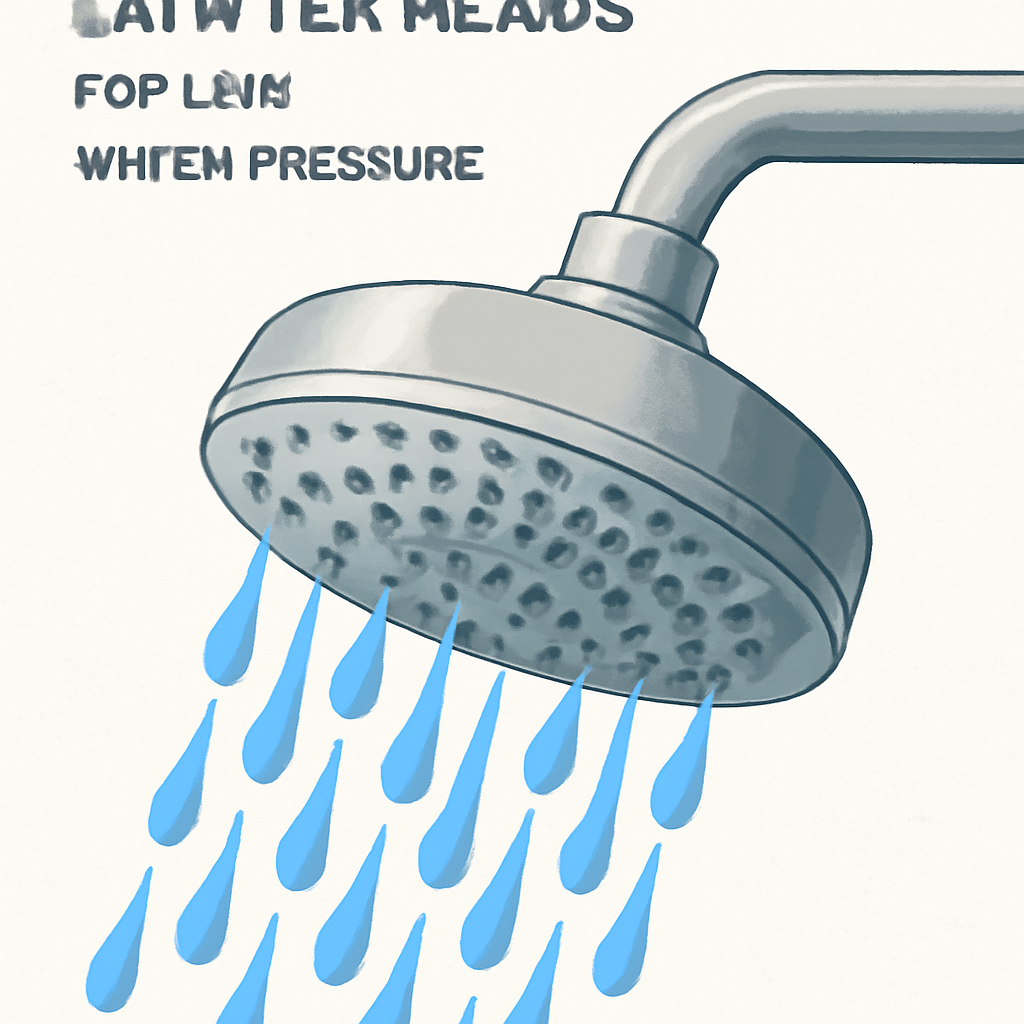
Smart fixture choices boost water efficiency while preserving a comfortable shower experience in compact baths. By prioritizing layout-friendly shower heads, flexible handheld options, and clean, minimal shower stalls, you maintain a modern look without sacrificing performance. Thoughtful planning also helps safeguard against clutter from shower curtains and accessories, keeping the space open and easy to clean.
Best rainfall showerhead for small bathrooms
For the best rainfall showerhead for small bathrooms, prioritize compact profiles with adjustable sprays that let you switch from a gentle drizzle to a fuller spray without widening the footprint. A ceiling-mounted rain head can dramatically reduce wall clutter and free up wall space for storage or a slim shower curtain track.
Compact profiles and adjustable sprays
- Choose 6–8 inch diameters for a balanced rain experience without overwhelming a tight shower stall.
- Look for models with multiple spray patterns (gentle rain, massage, and pause) to adapt to mood and hair-washing needs.
Ceiling-mounted rain heads for space efficiency
- Ceiling mount eliminates the need for a large wall arm, freeing wall space for niches or a streamlined curtain track.
- Ensure your valve and plumbing rough-in support a ceiling install, and confirm head height relative to your shower stall opening to minimize water spray outside the enclosure.
Installation considerations for compact baths
- Verify compatibility with your current shower valve and plumbing; a retrofit kit may be needed to optimize flow and spray balance.
- If you have low water pressure, pair a compact rain head with a compatible flow-regulator model to maintain a steady feel.
Water efficient shower heads for low water pressure
Water efficiency matters where pressure is variable. Opt for aerated or laminar flow models that maximize perceived water volume without increasing actual gpm, and always check flow rate and system compatibility.
Aerated vs laminar flow models
- Aerated heads mix air with water to maintain a fuller feel at lower pressure; they’re forgiving of older piping.
- Laminar heads deliver steady, individual jets for a crisp, predictable spray that still feels substantial with limited pressure.
Flow rate and system compatibility
- Target 1.5–2.0 gpm for efficiency while preserving comfort.
- Confirm your home’s pressure rating (psi) and pipe size; at 40 psi, some 2.0 gpm heads may feel slighter than at 60 psi.
Quick-fitting upgrades for existing showers
- Retrofit kits let you switch to aerated or laminar models without a full remodel.
- In multi-user homes, label two positions (family vs. guest) to manage expectations about water use.
Handheld shower as a flexible alternative
A handheld shower offers flexibility without compromising space. Pair it with a fixed wall bracket to keep the setup compact, and rely on the longer hose for thorough cleaning and accessibility for all users.
Wall-bracket pairing and space-saving layouts
- Mount the bracket at a reachable height on the shower wall to free the rest of the stall for ease of movement.
- A slim, recessed niche nearby can hold soap and scrubbers, reducing clutter and catching drips.
Cleaning and accessibility advantages
- Detach the head for quick rinses of the curtain or shower stall, simplifying maintenance and reducing mold risk.
- A handheld head is easier for children and seniors to reach, improving daily usability and hygiene.
These fixture choices lay the groundwork for design details: curtains, stalls, and style.
Design details: curtains, stalls, and style
A cohesive shower zone blends function with the bathroom’s overall aesthetic. Curtains or glass stalls, paired with the right hardware and tile choices, influence both ease of cleaning and daily comfort. For a modern look, select curtain materials that resist moisture and a stall design that minimizes maintenance, while still accommodating a versatile shower head or handheld shower.
Shower curtain ideas for modern bathrooms
Details
- Materials: Choose moisture-resistant fabrics or vinyl liners to keep humidity at bay. Polyester blends or coated fabrics offer durability and machine-washable convenience; a clear vinyl liner protects the outer panel without adding bulk.
- Finish choices: Pick finishes that complement metal hardware throughout the room—polished chrome, brushed nickel, or matte black create a cohesive look with the shower head and handheld shower. Solid colors or restrained geometric patterns support a contemporary vibe while hiding wear between cleanings.
- Practical tips: A weighted hem and magnetic or magnetic-corner ties help keep the curtain in place during showers. For small bathrooms, a lighter, semi-translucent curtain can visually expand the space while still containing water.
- Quick wins: If you’re aiming for a best rainfall showerhead for small bathrooms, pairing a simple curtain with a streamlined rail system maintains a minimal silhouette and avoids visual clutter.
Low maintenance shower stall designs
Details
- Frameless glass with minimal grout: A frameless glass shower stall delivers a sleek, open feel and reduces grout lines that harbor mildew. Opt for tempered glass around 1/4 inch (6 mm) to 3/8 inch (10 mm) thick, with concealed hardware and a water-repellent treatment to minimize water spots and soap film.
- Porcelain or large-format tiles that resist mildew: Large-format porcelain tiles (12×24 inches or bigger) lower the number of grout joints, making maintenance easier and reducing mold-prone areas. Choose porcelain with a matte or satin finish for better slip resistance and a more forgiving surface when cleaning. Use non-porous or properly sealed tiles and high-performance grout (epoxy or polyurethane-based) to curb mildew growth.
- Care routine: Seal natural stone or porous grout if used, and re-seal annually. A weekly wipe-down with a squeegee or microfiber cloth keeps glass and tile clearer, while a mild, pH-balanced cleaner prevents surface etching and soap buildup. For water pressure considerations, pairing a handheld shower with a rain shower head provides flexible use without increasing cleaning complexity.
shower FAQ
Choosing a shower setup requires balancing water efficiency, comfort, and space. This FAQ covers a water-efficient option for low pressure, how to install a handheld shower, and whether rainfall heads fit well in small bathrooms.
What is the most water-efficient showerhead for low pressure?
For low pressure, choose a WaterSense-labeled showerhead with a maximum flow of 2.0 gpm and a built-in pressure-compensating mechanism. Aerated spray helps maintain perceived strength, while handheld shower heads can improve control. If your home has very low pressure, consider water efficient shower heads for low water pressure and a booster valve to maintain performance.
How to install a handheld shower
To install a handheld shower, plan mounting height and pick between a wall bracket or sliding rail. Shut off the water, remove the old head, wrap 1/2-inch shower arm threads with Teflon tape, and connect the hose to the handheld and to the bracket. Finally, mount the unit and test for leaks with hot and cold water.
Are rainfall showers worth it in small bathrooms?
Are rainfall showers worth it in small bathrooms? A rain shower adds spa-like coverage but can feel weak in compact spaces due to pressure and splash. In small baths, use a compact rain showerhead (6–8 inches) paired with a handheld, and choose a shower curtain or shower stall design that minimizes overspray.
Conclusion and next steps for ROI-focused shower upgrades
A ROI-minded approach focuses on measurable reductions in water use and maintenance downtime while enhancing daily comfort. By targeting efficient fixtures and durable components, you can improve bathroom functionality and home value in a clear, trackable way.
Key takeaways to implement now
Audit current water use and costs to identify opportunities
- Record your shower’s flow rate (gpm) and typical shower duration for two weeks. Compare against your monthly water bill to estimate potential savings.
- Example: dropping from 5–6 gpm with a standard shower head to 1.8–2.0 gpm can trim annual shower-related water use by about 25–40%, depending on occupancy.
Prioritize water-efficient shower heads and handheld options
- Target fixtures with 1.8–2.0 gpm, plus handheld showers with pause or quick-clean settings to reduce waste.
- Consider pairing a rain showerhead with a lower-flow handheld unit for flexibility, especially in a small bathroom where a full rain effect may feel overpowering or wasteful.
Implementation checklist for ROI-focused upgrades
Define budget and timeline
- Basic retrofit (new water-efficient shower head and handheld valve kit): $150–$400. Mid-range upgrades (premium finishes, multiple functions): $600–$1,200. Full upgrade including shower stall refresh: $1,500–$3,000.
- Set a 6–12 week timeline for procurement, installation, and testing; align with seasonal water-rate changes if possible.
Choose compatible fixtures (rain, handheld, shower stall) and curtain ideas
- Ensure compatibility with your water pressure; rain showers often drink more water, so balance with a low-flow handheld in a shower stall.
- For curtain-focused aesthetics, select modern shower curtain ideas such as solid neutrals with a single bold accent, moisture-resistant fabrics, and a streamlined rod system to complement a low-maintenance shower stall design.
Plan for professional installation and warranty considerations
- Hire a licensed plumber for valve compatibility, seal integrity, and proper caulking around the stall or tub.
- Check warranty terms on fixtures and the stall enclosure; document installations to preserve coverage.
Final considerations and next steps
Monitor water usage post-install
- Recheck your bill for 2–3 months after upgrades to verify savings. Track any changes in temperature comfort or shower duration that could affect results.
- Use a simple spreadsheet to compare pre- and post-install costs and note maintenance events (cleaning frequency, leaks).
Consider resale value and overall impact on the bathroom’s functionality
- A modern shower stall with low-maintenance surfaces and a cohesive curtain-and-finish scheme can lift appeal and appraisal value.
- The right mix of rain shower, handheld capabilities, and thoughtful curtain ideas often translates to improved usability for daily routines and guest visits.