

Table of Contents
1. Shower Upgrades and ROI: An Intro
2. Smart Shower Heads and Fixtures That Drive Savings
3. Envisioning Modern Showers in Small Bathrooms
4. shower FAQ
5. Conclusion: Actionable Takeaways for ROI-Driven Upgrades
Shower Upgrades and ROI: An Intro
Upgrading the shower can boost perceived value and shorten time on market. A well-designed shower stall with a reliable drain, paired with a clean glass shower door or a streamlined shower curtain, signals durability and daily comfort. A strong shower head—consider the best rainfall shower head for low water pressure—combined with organized storage for shower gel ensures the space feels luxurious without complicating maintenance. Buyers notice moisture control, splash management, and the overall cohesion of fixtures, and a cohesive update communicates long-term value even before any price discussion.
Why the shower matters for ROI
A well-designed shower boosts perceived value and can shorten time on market; user experience and compact luxury drive willingness to pay.
Trends in eco-friendly and efficient shower design
Water-saving fixtures and WaterSense labeling; Longer-lasting materials reduce lifecycle costs and maintenance.
This mindset aligns with eco-friendly design trends buyers expect today. Look for water-saving fixtures and WaterSense labeling, and choose longer-lasting materials to reduce lifecycle costs and maintenance. Durable, easy-care finishes—from shower stalls to frameless glass doors—support modern shower ideas for small bathrooms while lowering upkeep. This momentum points toward practical upgrades like eco friendly shower heads for water conservation and affordable glass shower door replacement options, setting the stage for smart savings through advanced fixtures.
Smart Shower Heads and Fixtures That Drive Savings
Smart shower fixtures cut both water and energy costs while simplifying daily routines. By pairing water-conscious shower heads with thoughtfully designed stalls and reliable drains, you can maintain comfort and cleanliness without sacrificing style. The ideas below blend practicality with modern aesthetics, supporting small bathrooms and larger builds alike.
Shower head options for water conservation
Eco friendly shower heads for water conservation
Choose WaterSense-certified shower heads with flows around 1.5–2.0 gpm. Aerated or laminar designs maintain a satisfying feel while using less water, and corrosion-resistant finishes keep performance steady for years. Look for anti-clog nozzles and compatibility with standard shower arms to avoid extra installation work. Pairing an eco head with a handheld option adds flexibility without increasing water use.
Best rainfall shower head for low water pressure
Rainfall heads feel vast, but low-pressure homes need models that optimize perceived force. Seek rainfall heads with pressure-compensating features, air-injection technology, and a moderate flow target of about 1.8–2.0 gpm. For very low pressure, consider a combo with a separate hand shower or a compact booster design that preserves coverage without raising overall flow. These choices align with eco friendly shower heads for water conservation and satisfy modern shower ideas for small bathrooms by delivering comfort in a compact footprint.
Shower stall and drain considerations
Choose a shower stall design that minimizes mold-prone corners
Opt for rounded or frameless enclosures with smooth surfaces and minimal niches. Favor wall-to-wall panels or epoxy grout with sealed edges to reduce damp corners. Ensure a generous floor slope (about 1/4 inch per foot) toward a reliable drain, and use easy-to-clean materials such as solid surface surrounds to cut down on maintenance.
Select an efficient shower drain with easy-clean grates to prevent clogs
A stainless-steel grate with a removable screen simplifies hair and debris removal. Consider a linear drain across the width for a modern look and quicker cleaning. Ensure the drain has a simple access point and a durable seal to prevent leaks and odors.
store shower gel nearby to keep the area tidy
Incorporate a recessed niche or a slim caddy at an ergonomic height for gel, shampoo, and soap. Keeping essentials within reach reduces bottle clutter on adjacent shelves or a shower curtain rail and helps the space read as organized and calm.
ROI-focused fixture selection
Estimate water and energy savings against upfront costs
Upfront fixture costs vary from about $60 to $250 depending on finishes and certifications. A typical 0.7 gpm reduction on an 8-minute daily shower can save roughly 2,000 gallons per year. At modest water and hot-water energy rates, the annual savings might range from $20 to $60, making payback feasible within 3–6 years under average usage. Use this formula: annual savings = (flow reduction in gpm) × (minutes per shower) × (showers per year) × (cost per gallon of water/heating).
Prioritize durable finishes and certifications to extend life and reduce maintenance
Choose solid brass or stainless-steel fixtures with durable, room-temperature finishes (chrome, nickel, or PVD coatings) and reputable certifications (WaterSense, UPC/cUPC, NSF/ANSI). These choices lower maintenance needs, resist tarnish, and maintain a clean look in glass shower door assemblies or affordable glass shower door replacement options. A robust finish and certified components reduce future replacement cycles, aligning with durable, low-maintenance shower design.
These strategies support a shift toward Envisioning Modern Showers in Small Bathrooms, where careful fixture selection and clean, efficient layouts maximize space, comfort, and savings.
Envisioning Modern Showers in Small Bathrooms
Smart design turns a compact shower stall into a comfortable, efficient space. Prioritize clean lines, accessible storage, and durable finishes that resist moisture while keeping the room feeling open. When you mix practical layout decisions with modern hardware—like a well-chosen shower head, a versatile shower curtain, and a thoughtfully placed drain—you gain both function and style. The following guidance covers installation basics, door options, and ideas that work well in tight bathrooms.
How to install a walk in shower
Assess space, plumbing, and drainage layout
- Measure the available width and depth, aiming for at least 36×36 inches if possible; smaller footprints can work with a doorless entry or a pivot door. Plan the drain location early to minimize floor modification.
- Identify hot and cold supply lines, rough-in drain, and venting. If reconfiguring, hire a licensed plumber to avoid leaks and code issues.
- Decide on alcove or corner stall and whether a curbless or low-curb threshold is feasible, since each choice affects waterproofing and ADA suitability.
Plan waterproofing, curb options, and tile choices
- Implement a reliable waterproofing strategy beneath tile and behind walls—either a sheet membrane or a liquid-applied coating paired with a surface sealant for niches.
- Choose curb options that fit your space: a flush or near-flush entry for accessibility, or a low curb (under 1 inch) to simplify cleaning.
- Select large-format tiles to minimize grout lines, with slip-resistant flooring (R10 or higher) and a grout color that disguises routine cleaning through the years. Plan a recessed niche for shower gel and other essentials.
Affordable glass shower door replacement options
Frameless vs framed designs
- Frameless doors offer a modern, open look with thicker glass (typically 3/8″–1/2″) and minimal hardware, but come at a higher price and require precise installation.
- Framed doors use thinner glass (1/8″–1/4″) set in metal frames, which is generally more budget-friendly and forgiving for DIY projects.
| Design | Typical look | Pros | Cons |
|---|---|---|---|
| Frameless | Seamless, contemporary | Feels larger, versatile with tile | Higher cost, professional install often needed |
| Framed | Traditional, budget-friendly | Easier DIY, lower weight | Visible frames, tracks can collect grime |
Cost considerations, lead times, and warranties
- Frameless: roughly $900–$1,800 installed; lead times commonly 2–6 weeks depending on glass size and stock.
- Framed: roughly $500–$1,100 installed; lead times often 1–3 weeks.
- Glass options: 3/8″ or 1/2″ tempered glass with optional anti-lime coatings to maintain clarity.
Professional installation vs DIY kits, warranties
- Professional installation delivers a tighter seal, compliant glazing, and warranties typically covering hardware for 1–5 years and glass for longer terms.
- DIY kits start around $120–$350 but require careful sealing and glazing to prevent leaks; verify warranty terms before proceeding.
Modern shower ideas for small bathrooms
Incorporate niches and recessed storage to maximize space
- Install recessed niches (about 10″–12″ by 18″ each) at convenient heights for shampoo, shower gel, and soap. Position them near the head area to keep essentials in reach without clutter.
- Use matching wall tile to create a seamless look; recessed ledges reduce clutter while preserving floor space and making cleaning simpler.
Shower curtain as a budget-friendly alternative for flexibility
- A high-quality, water-repellent shower curtain with a liner offers quick style changes and lower upfront costs than a full glass door.
- Choose a curved shower rod to gain additional elbow room; light-colored or translucent curtains help keep the room feeling bright, while coordinating with a modern shower head or rainfall-style head for a complete look. Eco-friendly shower heads for water conservation pair nicely with curtain-based setups, delivering efficient spray without sacrificing comfort.
shower FAQ
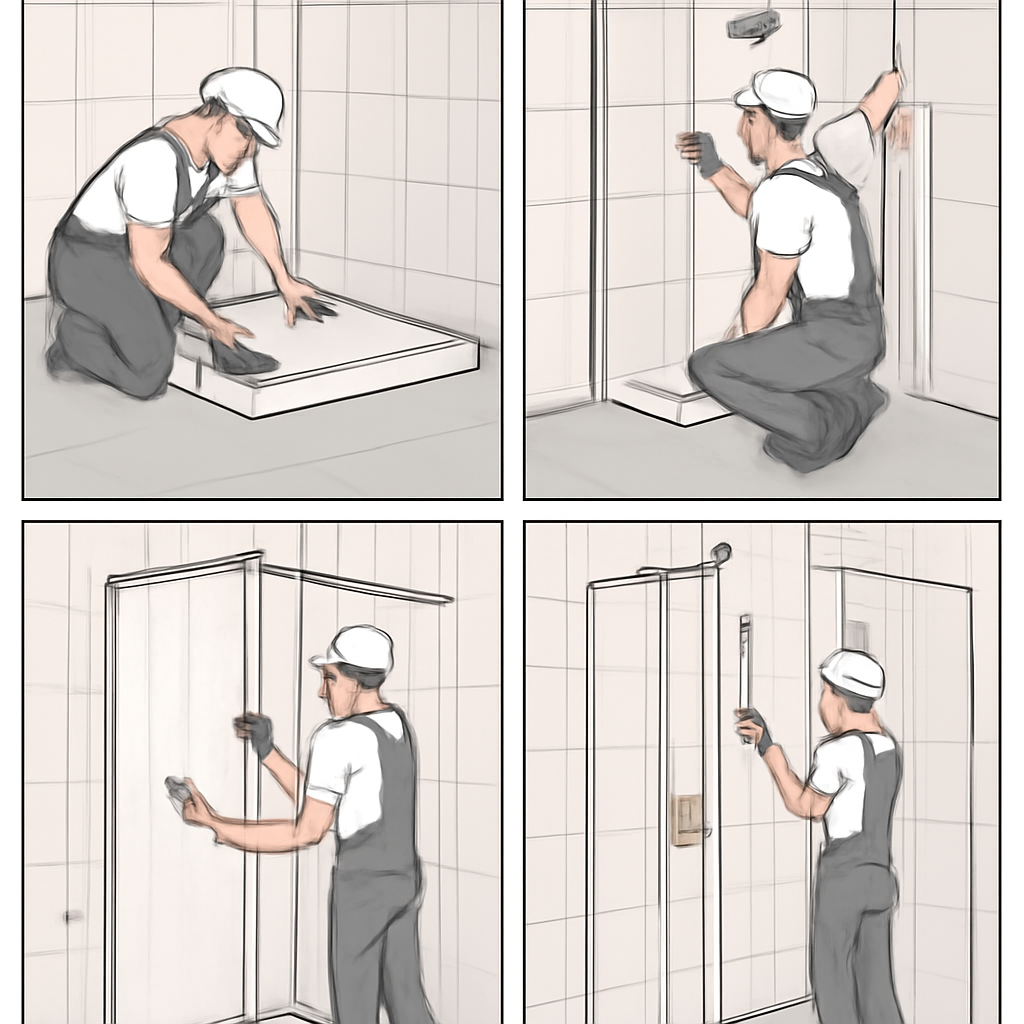
Shower setups influence daily comfort, sanitation, and water use, from fixtures like the shower head to everyday items such as shower gel. Here are practical answers to common questions about fixtures, upkeep, and layout to help you optimize any bathroom.
Question 1: How can I keep a shower stall clean and mold-free?
Keep a shower stall clean and mold-free with ventilation and a routine. Run the exhaust fan during and after showers, and wipe surfaces with a microfiber cloth a few times weekly. Use a mild cleaner or a vinegar-water solution on grout and soap dishes, and reseal grout annually. If you use a shower curtain, wash or replace it with a water-repellent option to reduce mildew.
Question 2: How do I choose an eco friendly shower head for water conservation, especially with low water pressure?
Choose an eco friendly shower head for water conservation. Look for low flow ratings (1.5–2.0 gpm) and an aerated spray to maintain pressure. For limited water pressure, the best rainfall shower head for low water pressure is usually compact and aerated. If you’re redesigning, consider how to install a walk in shower with a straightforward glass enclosure and a reliable shower drain.
Question 3: What are affordable glass shower door replacement options?
Affordable glass shower door replacement options include framed doors from stock sizes or tempered panels with standard tracks. Shop factory seconds or pre-owned doors to save money, and measure carefully. If glass isn’t in budget, acrylic surrounds offer a modern look.
Actionable Takeaways for ROI-Driven Upgrades
Smart bathroom updates deliver daily comfort and measurable value. Focusing on the shower area—from efficient fixtures to thoughtful layout—drives both operating cost savings and stronger market appeal. Use this plan to align investments with real value.
ROI recap: key drivers and payback expectations
Water savings and energy efficiency add operating cost savings
Switching to eco friendly shower heads and low-flow options can reduce hot-water usage significantly. A high-efficiency shower head at 1.5–1.8 GPM versus a standard 2.5 GPM can trim annual water heating costs by 15–30% for a typical household, depending on climate and usage. When paired with well-insulated plumbing and shorter shower durations, the operating savings compound over the life of the fixture. These gains are especially pronounced in busy households that rely on showers with consistent hot-water recovery.
Increased home value and market appeal
Bathrooms with a modern shower stall, clean lines, and a quality glass shower door tend to yield higher resale interest than spaces with outdated shower curtains or chipped enclosures. Industry benchmarks suggest midrange bathroom upgrades recover a meaningful portion of their cost at resale, with additional premium from features like rain-style shower heads for low water pressure and durable finishes. Highlighting practical touches—such as a coordinated storage niche for shower gel and towels—enhances perceived value and broadens appeal to buyers.
Implementation roadmap for professionals
Audit plumbing and space early
Document current layout, assess water pressure, and verify drainage capacity of the shower drain. Decide between a walk-in shower or a compact shower stall based on available footprint, accessibility goals, and door options (affordable glass shower door replacements vs. traditional shower curtain alternatives). Early auditing prevents costly rework later.
Select high-quality fixtures with warranties
Choose fixtures with long warranties and WaterSense labeling where possible. Consider the best rainfall shower head for low water pressure options and eco-friendly shower heads designed for conservation. Durable finishes, easy-clean surfaces, and integrated shelving for toiletries help sustain value.
Phase upgrades to minimize disruption
Plan in stages: rough-in and plumbing adjustments first, then tile or enclosure, followed by fixtures and glass. Phasing reduces downtime in the bathroom and spreads costs, making it easier to manage procurement and scheduling with the crew.
Final takeaways and next steps
Create a prioritized upgrade plan with a budget
List interventions by impact and cost: shower head and drain upgrades, glass door replacement, and space optimization for a small bathroom. Set a realistic budget with contingency and align it to expected ROI.
Track ROI metrics after completion
Monitor utility bills for water and energy savings, maintenance costs, and any change in resale inquiries. Compare pre- and post-upgrade figures to quantify payback over 12–36 months.
Coordinate with licensed contractors for installation
Engage licensed plumbers and glass installers for code compliance and warranty protection. Schedule work to minimize disruption and ensure a seamless, durable result that stands up to daily use.